
Affiliate Disclosure: This article may contain affiliate links. If you purchase products through links on our website, we may earn a small commission at no additional cost to you. Your support helps us continue creating helpful wedding planning resources and celebration ideas.
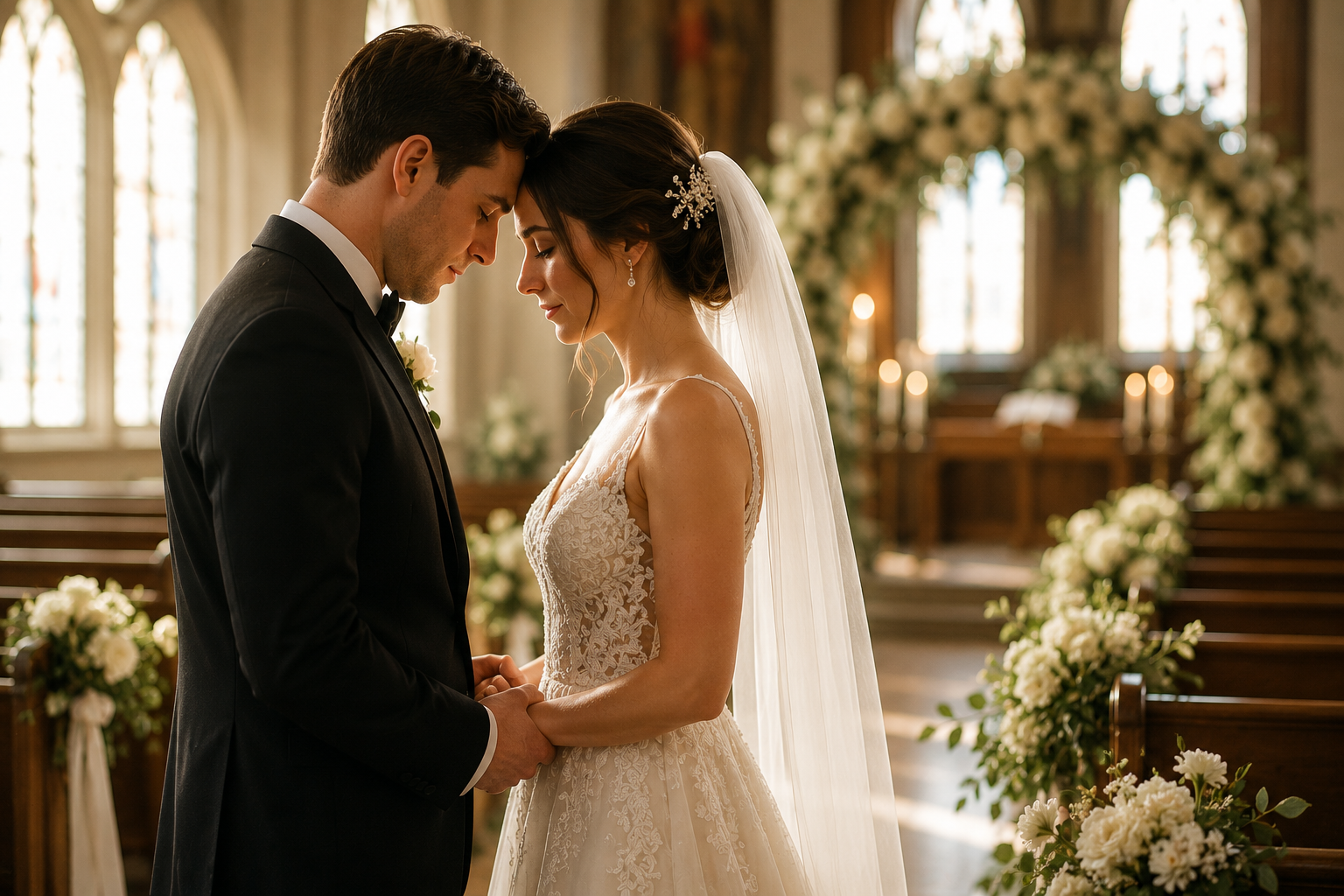
Walking down the aisle is one of the most anticipated moments of a wedding day. While it’s often portrayed as a picture-perfect experience filled with joy and romance, many couples experience significant anxiety leading up to the ceremony. Racing thoughts, sweaty palms, butterflies, and even moments of panic are far more common than most people realize.
The good news is that wedding ceremony anxiety is completely normal. You’re about to make one of the biggest commitments of your life while standing in front of family and friends. Feeling nervous doesn’t mean you’re making the wrong decision—it simply means the moment is important.
With thoughtful preparation, practical relaxation techniques, and realistic expectations, you can manage those pre-ceremony jitters and fully enjoy one of the most meaningful days of your life.
In this complete guide, we’ll explore why wedding ceremony anxiety happens, how to reduce stress before the big day, and proven strategies to help you walk down the aisle with confidence.
Understanding Wedding Ceremony Anxiety
Feeling nervous before your wedding ceremony doesn’t make you unusual.
Many couples experience:
- Racing thoughts
- Butterflies in their stomach
- Sweaty hands
- Rapid heartbeat
- Difficulty sleeping
- Emotional highs and lows
- Worry about making mistakes
- Fear of being the center of attention
These reactions are your body’s natural response to a major life event.
Why Wedding Anxiety Happens
Several factors contribute to pre-ceremony nerves.
Common causes include:
- Fear of public speaking
- Large crowds
- High expectations
- Financial stress
- Wedding planning fatigue
- Family dynamics
- Fear of making mistakes
- Perfectionism
- The significance of marriage itself
Identifying what’s causing your anxiety is often the first step toward managing it.
Remember Why You’re Getting Married
It’s easy to become consumed by seating charts, flowers, timelines, and decorations.
Take time to remember the real purpose of your wedding day.
Ask yourself:
- Why do I love my partner?
- What excites me about our future together?
- What memories brought us here?
- What promises am I making?
Refocusing on your relationship often helps put wedding-day stress into perspective.
Accept That Some Nervousness Is Normal
Many couples worry that feeling anxious means something is wrong.
In reality, nervousness often reflects how important the moment is.
Instead of trying to eliminate anxiety completely, aim to manage it in healthy ways.
Even experienced performers, athletes, and public speakers still experience pre-event nerves.
Prepare Thoroughly
Confidence often grows through preparation.
Before your wedding:
- Attend the rehearsal.
- Review the ceremony order.
- Practice your vows.
- Walk through the venue.
- Meet with your officiant.
- Confirm timelines.
- Review seating arrangements.
The more familiar everything feels, the less intimidating the ceremony becomes.
Get Plenty of Rest
Lack of sleep can make anxiety feel much worse.
During the week before your wedding:
- Keep a consistent bedtime.
- Limit caffeine late in the day.
- Avoid excessive screen time before bed.
- Create a calming evening routine.
- Allow yourself extra time to relax.
Even if you’re unable to sleep perfectly the night before your wedding, getting adequate rest during the days leading up to it can make a big difference.
Eat Before the Ceremony
Many couples skip meals because they’re too nervous to eat.
However, your body needs energy.
Choose foods that are:
- Nutritious
- Easy to digest
- High in protein
- Hydrating
Avoid excessive sugar or caffeine if they tend to increase your anxiety.
Even a light meal can help you feel steadier throughout the day.
Practice Deep Breathing
One of the quickest ways to calm your nervous system is through controlled breathing.
Try this simple exercise:
- Inhale slowly through your nose for four seconds.
- Hold your breath for four seconds.
- Exhale gently through your mouth for six seconds.
- Repeat several times.
Deep breathing helps slow your heart rate and reduce physical symptoms of anxiety.
Visualize Success
Visualization can help replace fearful thoughts with positive expectations.
Imagine yourself:
- Walking confidently down the aisle.
- Smiling at your partner.
- Speaking your vows clearly.
- Laughing during joyful moments.
- Celebrating with family afterward.
Positive mental rehearsal helps build confidence before the ceremony begins.
Focus on Your Partner
Once the ceremony begins, try shifting your attention away from the audience.
Instead:
- Make eye contact with your partner.
- Listen carefully to their vows.
- Hold their hand.
- Smile naturally.
- Stay present in the moment.
Many couples say that once they see each other, much of their anxiety disappears.
Don’t Chase Perfection
Perfect weddings exist only in movies.
Real weddings include:
- Misspoken words
- Happy tears
- Unexpected laughter
- Minor delays
- Weather surprises
- Small imperfections
Ironically, these unscripted moments often become the most cherished memories.
Build a Calm Wedding Morning
Your morning sets the tone for the entire day.
Helpful ideas include:
- Wake up early.
- Eat breakfast.
- Listen to calming music.
- Stretch gently.
- Stay hydrated.
- Spend time with supportive loved ones.
- Avoid unnecessary rushing.
A peaceful start can reduce stress throughout the day.
Lean on Your Support System
You don’t have to carry your emotions alone.
Talk with:
- Your partner
- Parents
- Wedding party
- Best friend
- Wedding planner
- Officiant
Sometimes simply expressing your worries aloud makes them feel much more manageable.
Avoid Last-Minute Changes
Making major decisions on your wedding day often increases stress.
Whenever possible:
- Finalize details in advance.
- Delegate responsibilities.
- Trust your vendors.
- Let others solve small problems.
Protect your emotional energy for the ceremony itself.
Have a Quiet Moment Together
Many couples choose to share a private moment before the ceremony.
Ideas include:
- A first look
- Exchanging private letters
- Holding hands around a corner without seeing each other
- A brief prayer or meditation
- A few minutes alone
These quiet moments can help calm nerves and remind you why you’re there.
Keep Your Expectations Realistic
No wedding unfolds exactly as planned.
Instead of aiming for perfection, aim for:
- Joy
- Connection
- Flexibility
- Gratitude
- Presence
Guests are far more likely to remember your happiness than tiny details that didn’t go exactly according to plan.
After the Ceremony
Many couples experience an immediate sense of relief once the ceremony ends.
Take a few moments to:
- Celebrate together.
- Take a deep breath.
- Enjoy your first moments as newlyweds.
- Soak in the accomplishment.
- Appreciate everyone who helped make the day possible.
The ceremony may only last a short time, but the memories will last a lifetime.
Common Wedding Anxiety Mistakes to Avoid
Keep these common pitfalls in mind.
- Trying to control every detail.
- Skipping meals.
- Staying up too late the night before.
- Taking on everyone’s problems.
- Comparing your wedding to social media.
- Expecting perfection.
- Ignoring your emotions.
- Forgetting to enjoy the experience.
Your wedding is about celebrating your love—not putting on a flawless performance.
Frequently Asked Questions
Is it normal to feel anxious before my wedding ceremony?
Yes. Wedding ceremony anxiety is extremely common. Even couples who feel completely confident about getting married often experience nervousness because of the significance of the occasion and the attention that comes with it.
What if I cry during the ceremony?
Happy tears are incredibly common. Most guests view emotional moments as heartfelt and authentic. There’s no need to feel embarrassed if emotions overwhelm you.
What if I forget my vows?
Practice ahead of time and keep a printed copy with your officiant or in your pocket if appropriate. It’s perfectly acceptable to pause, take a breath, and continue.
How can I calm my nerves just before walking down the aisle?
Take several slow, deep breaths, focus on your partner instead of the crowd, remind yourself why you’re getting married, and trust that everything doesn’t have to be perfect to be beautiful.
Should I postpone my wedding if I’m feeling nervous?
Feeling nervous alone is not usually a reason to postpone a wedding. Many people experience anxiety before major life events. However, if your concerns involve serious doubts about the relationship or your future together, it may be helpful to have honest conversations with your partner or seek guidance from a trusted counselor before moving forward.
Final Thoughts
Wedding ceremony anxiety is a natural response to one of the most meaningful moments of your life. It reflects the importance of the commitment you’re about to make—not a lack of love or readiness. By preparing thoroughly, taking care of your physical and emotional well-being, and focusing on the relationship rather than the performance, you can transform nervous energy into excitement and confidence.
Remember that your guests aren’t expecting perfection—they’re there to celebrate your love story. The heartfelt smiles, happy tears, spontaneous laughter, and genuine emotions are often what make a wedding truly unforgettable. As you stand beside the person you’ve chosen to spend your life with, allow yourself to be present, embrace the moment, and enjoy every step of this incredible new chapter together. Your wedding ceremony marks the beginning of a lifetime of shared memories, and that’s something worth celebrating with confidence and joy.




That’s a really important point about affiliate links – it’s good to be upfront about those things! It makes sense that people are anxious about this, the whole day is so overwhelming.