
Affiliate Disclosure: This article may contain affiliate links. If you purchase products or services through links mentioned in this article, we may earn a commission at no additional cost to you.
Wedding planning should be one of life’s happiest milestones, yet it often brings together family expectations, traditions, finances, and emotions that can create unnecessary conflict. Whether you’re navigating divorced parents, blended families, guest list debates, or invitation wording, the key to a peaceful planning experience is thoughtful communication and mutual respect. This guide offers practical advice to help you celebrate your relationship while minimizing unnecessary drama.
Why Family Dynamics Can Complicate Wedding Planning
Major life events naturally stir emotions, and few occasions bring as many people, opinions, and expectations together as a wedding. While the day itself is meant to celebrate the love between two people, the planning process often involves parents, stepparents, siblings, grandparents, extended relatives, and close friends who each bring their own traditions, perspectives, and hopes for the celebration. What may seem like a simple decision—such as choosing a venue, creating a guest list, or selecting invitation wording—can quickly become a source of disagreement when multiple people feel personally invested in the outcome.
Family dynamics become even more complex when blended families, divorced parents, adoptive families, guardians, or long-standing personal conflicts are involved. Financial contributions can also complicate matters, as family members who help pay for the wedding may expect a greater voice in the planning process. At the same time, couples often feel pressure to balance honoring family traditions with creating a wedding that reflects their own personalities, values, and vision for the future.
Recognizing these dynamics early is one of the best ways to prevent unnecessary conflict. Open communication, mutual respect, and a willingness to listen can help address concerns before they grow into larger disagreements. While it is impossible to make every guest happy, couples can create an atmosphere where everyone feels acknowledged and valued without sacrificing the celebration they have always dreamed of.
Above all, remember why the wedding is taking place in the first place. The day is about celebrating the commitment between you and your partner—not pleasing every opinion or fulfilling every expectation. By focusing on your relationship, remaining flexible when appropriate, and treating loved ones with kindness and empathy, you can navigate even complicated family situations with confidence and create a wedding that is remembered for its joy rather than its drama.
Modern Families Deserve Modern Etiquette
Today’s families come in many forms, including blended families, adoptive families, guardians, grandparents who stepped into parental roles, remarried parents, foster families, and same-sex parents. Because every family’s story is unique, wedding etiquette has evolved to reflect the realities of modern relationships rather than relying solely on traditions that were established decades ago. The goal is no longer to follow a rigid set of rules, but to create a celebration that genuinely honors the people who have loved, supported, and helped shape your life.
For many couples, this means recognizing that family is defined by more than biology. A stepparent who has been present for years, a grandparent who helped raise you, or a guardian who provided guidance and stability may deserve just as much recognition as a biological parent. Modern etiquette encourages couples to celebrate these meaningful relationships in ways that feel authentic, whether through invitation wording, ceremony acknowledgments, special dances, or heartfelt tributes during the reception.
At the same time, it is important to remember that no two weddings are exactly alike. What feels appropriate for one family may not be the right choice for another. Some couples choose to include multiple parents on their invitations, while others issue invitations in their own names to simplify family dynamics. Neither approach is inherently right or wrong. The best decision is the one that reflects your family’s circumstances while treating everyone with kindness, honesty, and respect.
Ultimately, modern wedding etiquette is about people, not perfection. Rather than worrying about whether every decision follows an outdated tradition, focus on honoring the relationships that have had the greatest impact on your life. When your choices are guided by gratitude, compassion, and authenticity, your wedding becomes a true reflection of your journey as a couple. Guests are far more likely to remember the love and warmth of your celebration than whether every etiquette rule was followed to the letter.
Why Wedding Invitations Matter
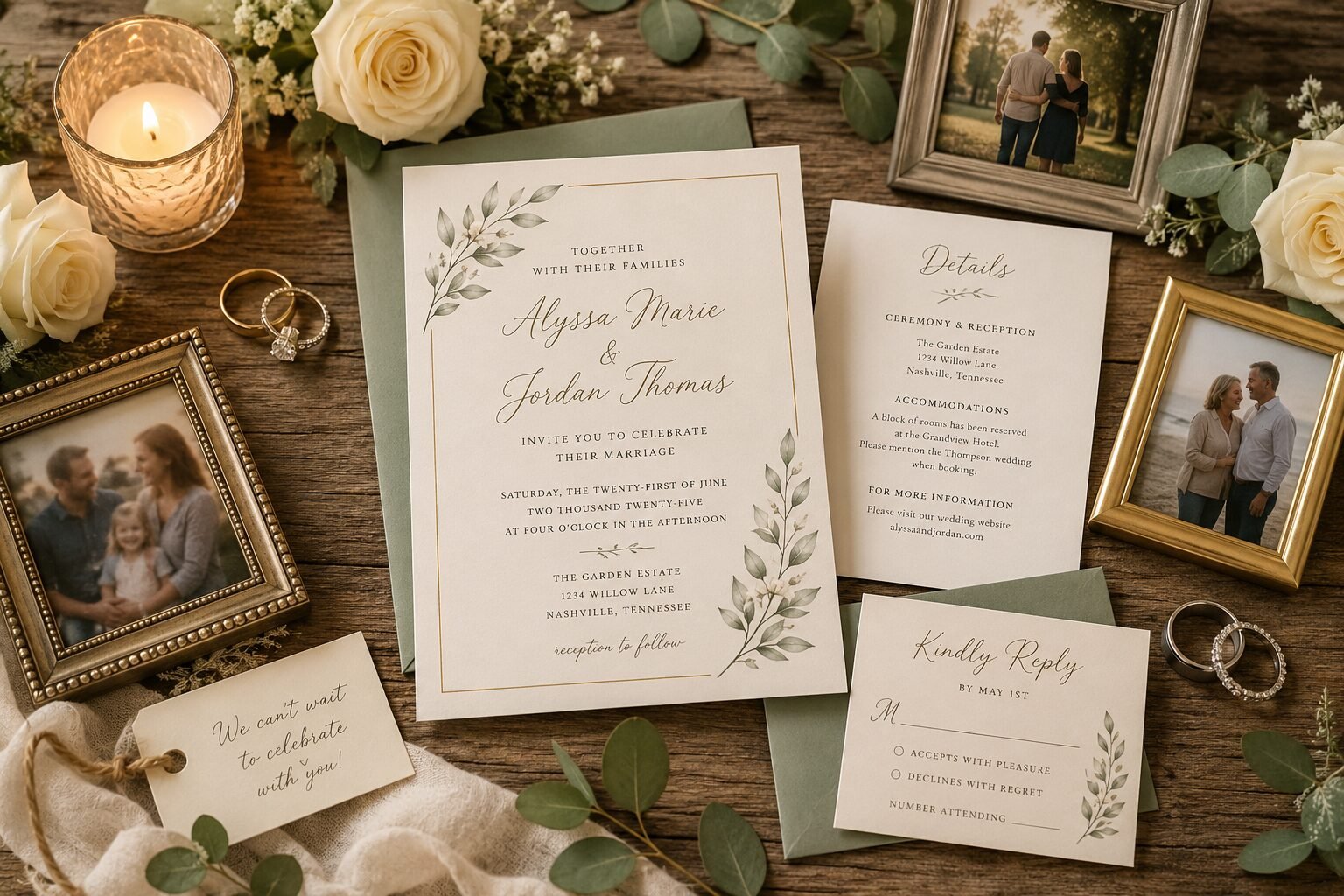
Wedding invitations are much more than simple announcements—they become cherished keepsakes that often symbolize the important relationships in a couple’s life. Long after the wedding day has passed, invitations are tucked into scrapbooks, wedding albums, and memory boxes as lasting reminders of one of life’s most meaningful milestones. Because of their significance, the wording, design, and presentation of an invitation deserve careful thought. Taking the time to choose language that is respectful and inclusive can prevent misunderstandings while helping everyone feel acknowledged and appreciated.
For many couples, the invitation is also the first glimpse guests receive of the celebration to come. It sets the tone for the wedding, whether the event is a formal black-tie affair, a rustic outdoor ceremony, or an intimate gathering with close family and friends. Every detail—from the wording and typography to the colors and overall design—helps communicate the style and personality of the couple. More importantly, the invitation reflects the values of the people getting married and the relationships they have chosen to honor.
Invitation wording can become particularly sensitive when navigating blended families, divorced parents, stepparents, adoptive parents, or guardians. Decisions about whose names appear, how families are recognized, and who is listed as hosting the wedding can carry emotional weight. While there is no single “correct” format for every family situation, thoughtful communication and careful planning can help avoid hurt feelings. In many cases, discussing these decisions with key family members before invitations are printed can resolve concerns before they become larger issues.
Ultimately, the purpose of a wedding invitation is not simply to provide a date, time, and location—it is to warmly welcome loved ones to share in one of the most important days of your life. When your invitation reflects your family’s unique story with honesty, kindness, and respect, it becomes far more than a piece of stationery. It becomes the first chapter of your wedding celebration and a lasting reminder of the love, unity, and commitment that brought everyone together.
Communicate Early and Often
One of the most effective ways to prevent wedding drama is to communicate openly and early with the people who will play important roles in your celebration. Before finalizing invitations, selecting ceremony participants, or making major planning decisions, take the time to speak with parents, stepparents, guardians, grandparents, and any other key family members who may be directly affected. Honest conversations about expectations, preferred names, family traditions, and special requests can help uncover potential concerns before they become emotional disagreements. While these discussions may feel uncomfortable at first, they are often far easier than trying to repair hurt feelings after decisions have already been made.
Communication should be viewed as an opportunity to build understanding rather than to seek permission. Listening respectfully to the thoughts and feelings of loved ones does not mean giving up control of your wedding or allowing others to make decisions on your behalf. Instead, it demonstrates maturity, empathy, and consideration for the people who have supported you throughout your life. Many family members simply want to feel heard and included in the process, even if every suggestion is not ultimately followed.
These conversations are also an excellent time to clarify practical details that could otherwise lead to confusion. For example, you may want to discuss how parents or stepparents would like to be listed on invitations, whether there are family customs that are especially meaningful, or if there are sensitive relationships that should be considered when planning seating arrangements or ceremony roles. Addressing these topics in advance gives everyone an opportunity to express their thoughts in a calm setting rather than during the stress of the final weeks before the wedding.
Above all, remember that successful communication is a two-way process. Be willing to explain your vision for the wedding while also showing appreciation for the advice and support your loved ones offer. Even when opinions differ, approaching every conversation with kindness, honesty, and mutual respect helps create an atmosphere of trust. In the end, thoughtful communication lays the foundation for a wedding celebration where family members feel valued, misunderstandings are minimized, and the focus remains where it belongs—on celebrating the beginning of your new life together.
Navigating Blended and Divorced Families
Blended families and divorced parents can add an extra layer of complexity to wedding planning, but they also provide an opportunity to celebrate the many people who have contributed to your life. The key is to approach every decision with fairness, empathy, and open communication. Treat everyone with dignity and consistency, recognizing that emotions surrounding family relationships may still exist, even many years after a divorce or remarriage. By acknowledging these sensitivities early in the planning process, couples can often prevent misunderstandings and reduce unnecessary tension.
If your parents are divorced, be mindful of invitation wording, seating arrangements, ceremony roles, and reception traditions. Avoid language or decisions that unintentionally suggest one parent is more important than the other unless that truly reflects your personal relationship and wishes. In many cases, equal recognition and respectful treatment help create a more comfortable environment for everyone involved. When difficult decisions must be made, explain your reasoning with honesty and kindness rather than allowing assumptions to create hurt feelings.
Stepparents who have played meaningful roles in your upbringing also deserve thoughtful recognition. For some couples, a stepparent has been a constant source of love, guidance, and encouragement for many years. Others may have developed close relationships with multiple parental figures. Modern wedding etiquette recognizes that these relationships matter and encourages couples to honor them in ways that feel genuine and authentic. This recognition might come through invitation wording, a special mention during the ceremony, participation in the processional, a meaningful dance at the reception, or a heartfelt thank-you during speeches.
Above all, remember that every family is unique, and there is no universal formula for handling blended or divorced family situations. The goal is not to satisfy every expectation perfectly but to make thoughtful decisions that reflect your life and relationships with honesty and respect. When couples focus on celebrating the people who have truly supported them, rather than trying to meet outdated etiquette standards, they create a wedding that feels personal, inclusive, and meaningful. In the end, kindness, communication, and authenticity will leave a far more lasting impression than following tradition for tradition’s sake.
Honoring Absent or Deceased Loved Ones
Not every family story follows the same path, and wedding planning often brings those personal histories to the forefront. If a parent was absent from your life or played little role in your upbringing, you should never feel obligated to include them in your wedding simply because tradition suggests it. Your wedding is a celebration of your journey as a couple, and the people who are recognized should reflect the relationships that have genuinely shaped your life. Modern wedding etiquette acknowledges that family is defined by love, support, and commitment—not solely by biology.
At the same time, many couples wish to honor loved ones who are no longer with them. The absence of a parent, grandparent, sibling, or close friend can be deeply felt on such an important day, but there are many meaningful ways to keep their memory close. A memorial table displaying cherished photographs and keepsakes can serve as a beautiful tribute. Some couples choose to reserve an empty seat during the ceremony with a flower or a framed photograph, while others include a heartfelt message in the wedding program acknowledging those who are present in spirit.
There are also many subtle and personal ways to remember loved ones throughout the celebration. You might wear a piece of heirloom jewelry that belonged to a parent or grandparent, carry a small photo charm attached to your bouquet, light a memorial candle during the ceremony, or dedicate a favorite song to their memory during the reception. Readings, prayers, moments of silence, or brief remarks from the officiant can also provide a respectful opportunity to recognize those whose love and influence continue to shape your life, even though they are no longer physically present.
Ultimately, there is no single right way to honor someone who has passed away or to navigate the absence of a parent. The most meaningful tributes are the ones that feel authentic to you and your family. Whether your remembrance is quiet and private or shared with all of your guests, the goal is the same—to celebrate the lasting impact that person had on your life while keeping the focus on the joy of the day. By honoring loved ones with sincerity and love, you create a wedding that not only celebrates your future together but also respectfully acknowledges the people whose memories and support helped bring you to this moment.
Managing Guest List Challenges
For many couples, the guest list becomes one of the most difficult aspects of wedding planning. While choosing a venue or selecting flowers can be enjoyable, deciding who receives an invitation often brings emotions, expectations, and family opinions into the process. Parents may want to invite old friends, relatives may suggest adding distant cousins, and coworkers or acquaintances may assume they’ll be included. Without a clear plan, what begins as a simple list of names can quickly become one of the biggest sources of wedding stress.
One of the best ways to avoid unnecessary conflict is to establish clear guidelines before invitations are ever mailed. Decide together how you will handle plus-ones, children, coworkers, extended family, neighbors, and family friends. Will every single guest receive a plus-one, or only those who are married, engaged, or in long-term relationships? Will children be invited, or will your celebration be adults only? How will you determine which coworkers or acquaintances make the final list? Having these conversations early allows you and your partner to present a united front and make decisions based on your priorities rather than outside pressure.
Consistency is one of the most effective tools for preventing disagreements. If you decide on a child-free wedding, apply that rule equally to everyone whenever possible. If only immediate family members are being invited due to space limitations, communicate that decision respectfully and consistently rather than making exceptions that could unintentionally hurt feelings. Guests are generally more understanding when they recognize that the same standards have been applied fairly across the board.
Budget and venue capacity also play an important role in guest list decisions. Every additional invitation affects catering costs, seating arrangements, favors, and other expenses. While it may be tempting to invite everyone, doing so can quickly exceed your budget or create an overcrowded venue. Remember that a smaller guest list often allows couples to spend more meaningful time with each attendee and create a more intimate atmosphere. Quality of the celebration is often far more memorable than the size of the crowd.
If family members request that additional guests be invited, approach those conversations with kindness but also with honesty. Explain any limitations related to budget, venue size, or your overall vision for the wedding. Listening respectfully to their suggestions shows consideration, even if you ultimately decide not to expand the guest list. Most loved ones will appreciate a thoughtful explanation more than a vague refusal.
Above all, remember that your guest list should reflect the people who have genuinely supported your relationship and who you truly want standing beside you as you begin this new chapter together. Rather than feeling obligated to invite people out of guilt or family pressure, focus on creating a celebration filled with those who will share in your joy. By establishing fair guidelines, communicating openly, and remaining consistent in your decisions, you can minimize conflict and ensure that your wedding day is surrounded by the people who matter most.
Using Wedding Websites Wisely
A wedding website has become one of the most valuable planning tools available to modern couples. While traditional invitations remain the formal way to announce your wedding, they simply don’t have enough space to include every important detail your guests may need. A well-designed wedding website serves as a central information hub where guests can find schedules, travel recommendations, accommodation options, registry details, dress code information, maps, frequently asked questions, and updates—all in one convenient location. This allows your printed invitations to remain elegant and uncluttered while still providing guests with everything they need to prepare for your special day.
One of the greatest advantages of a wedding website is its flexibility. Unlike printed invitations, which cannot be changed once they are mailed, a website can be updated at any time. If your timeline changes, transportation details are adjusted, or additional information needs to be shared, guests can simply revisit the website for the latest updates. This is especially helpful for destination weddings, multi-day celebrations, or weddings where guests are traveling from out of town and may need recommendations for hotels, restaurants, local attractions, or transportation.
Wedding websites also provide an opportunity to make your celebration feel more personal. Many couples choose to share the story of how they met, how the proposal happened, or introduce members of the wedding party with fun biographies and photos. You can also include engagement pictures, information about your favorite charities, or details about cultural or family traditions that guests may experience during the ceremony. These personal touches help guests feel more connected to your story before they even arrive at the wedding.
Another benefit is the ability to answer common questions before guests have to ask them. A Frequently Asked Questions section can address topics such as parking, attire, weather considerations, accessibility accommodations, whether children are invited, gift preferences, or photography policies. Providing this information in advance helps reduce the number of phone calls, text messages, and emails you receive during the busy weeks leading up to the wedding, allowing you to focus on enjoying the planning process rather than constantly responding to the same questions.
Your wedding website can also serve as a meaningful extension of your celebration by recognizing the people who matter most. While invitations have limited space, your website can include heartfelt acknowledgments of parents, stepparents, grandparents, mentors, or loved ones who have passed away. You might also feature a timeline of your relationship, a gallery of engagement photos, or a message thanking your guests for celebrating with you. These additions make the experience more personal without affecting the formal appearance of your invitation.
Ultimately, a wedding website is more than just a planning tool—it is an extension of your wedding experience. It helps keep guests informed, reduces confusion, and creates a more organized and enjoyable experience for everyone involved. By combining the timeless elegance of printed invitations with the convenience and flexibility of a dedicated website, couples can communicate more effectively while creating a celebration that is both beautifully traditional and perfectly suited for today’s connected world.
Social Media Expectations
Social media has transformed the way weddings are experienced and remembered. Within minutes of a ceremony or reception, guests can share photos, videos, and live updates with hundreds—or even thousands—of people online. While many couples enjoy seeing their special day celebrated on social media, others prefer to keep certain moments private or to have professional photographs shared first. Because every couple has different preferences, it’s important to discuss your expectations regarding social media well before the wedding day.
One of the first decisions to make is whether you would like an “unplugged ceremony.” This simply means asking guests to put away their phones and cameras during the ceremony so they can be fully present in the moment. An unplugged ceremony also allows your professional photographer and videographer to capture clear, unobstructed images without guests stepping into the aisle or holding up devices. Many couples choose to announce this request on their wedding website, include a small note in the ceremony program, or have the officiant make a brief announcement before the ceremony begins.
If you are comfortable with guests sharing photos, it’s still helpful to establish a few simple guidelines. You may want to ask guests not to post pictures until after the ceremony, avoid revealing surprise elements of the reception, or wait until you have shared your own announcement first. This is especially important if you have family or friends who are unable to attend and plan to watch a livestream or view professional photos later. Setting expectations in advance helps avoid awkward situations where important moments are unintentionally shared before you’re ready.
Another consideration is respecting the privacy of your guests. Some family members or friends may not be comfortable appearing on social media, particularly young children or individuals who prefer to keep their personal lives private. Encouraging guests to be mindful of tagging others, posting close-up photos without permission, or sharing personal details demonstrates consideration for everyone’s comfort. A simple reminder that not everyone wants to be featured online can go a long way toward creating a respectful atmosphere.
Your wedding website is an excellent place to communicate your social media preferences. You might include information about whether the ceremony is unplugged, if a unique wedding hashtag has been created, or when guests are welcome to begin posting photos. If you encourage sharing, a custom hashtag can make it easy for everyone to view pictures from different perspectives and preserve memories from the day. If you prefer privacy, politely explaining your wishes helps guests understand that your request comes from a desire to fully enjoy the moment rather than to limit their excitement.
Ultimately, there is no right or wrong approach to social media at weddings. Some couples love seeing every moment shared online in real time, while others cherish a more private celebration focused on being present with family and friends. The important thing is to communicate your expectations clearly and respectfully before the wedding day. When guests understand your preferences, they are far more likely to honor them, allowing everyone to enjoy the celebration while creating memories that will last long after the final photo has been taken.
When Family Members Disagree
No matter how carefully you plan your wedding, it’s almost inevitable that someone will disagree with one or more of your decisions. Family members may have strong opinions about the venue, guest list, budget, traditions, ceremony, reception, attire, or even the date of the wedding. While these opinions often come from a place of love or excitement, they can sometimes create tension if expectations differ from your own. Understanding that disagreement is a normal part of wedding planning can help you approach these situations with patience rather than frustration.
When family members express concerns or offer advice, make an effort to listen graciously. Allow them to share their thoughts without immediately becoming defensive, and thank them for caring enough to be involved. Sometimes people simply want to feel heard, even if their suggestions are not ultimately followed. A calm conversation where everyone has an opportunity to express themselves can often prevent small frustrations from turning into lasting conflicts.
At the same time, it’s important to remember that listening does not mean surrendering control of your wedding. Your celebration should reflect your values, your relationship, and the vision you and your partner have created together. While family traditions and preferences deserve thoughtful consideration, they should not overshadow the purpose of the day. If you and your partner have carefully made a decision that feels right for your wedding, it is perfectly acceptable to stand by that choice while communicating it respectfully.
Healthy boundaries are one of the most valuable tools couples can establish during the planning process. This means deciding together which decisions are open for discussion and which are final. For example, you may welcome input on menu selections or music choices while making it clear that your guest list, ceremony format, or wedding date are not negotiable. Presenting a united front as a couple helps reduce confusion and prevents family members from attempting to persuade one partner after the other has already agreed on a decision.
It’s also helpful to recognize that not every disagreement requires a winner or a loser. In some situations, compromise is possible and can strengthen family relationships without affecting your overall vision. Perhaps a parent has a meaningful family tradition they’d like incorporated into the ceremony, or a grandparent requests a favorite song to be played during the reception. If these requests align with your values and don’t create unnecessary stress, small compromises can become thoughtful gestures that make loved ones feel appreciated.
However, there may be times when compromise simply isn’t possible. In those moments, honesty delivered with kindness is usually the best approach. Explain your decision respectfully, acknowledge the other person’s feelings, and avoid turning the conversation into an argument. Remaining calm and consistent demonstrates confidence in your choices while preserving the relationship as much as possible.
Ultimately, the goal isn’t to create a wedding where everyone agrees on every detail—that’s rarely realistic. Instead, strive to create an environment built on mutual respect, open communication, and understanding. When you and your partner remain focused on your shared values and treat loved ones with compassion, disagreements become much easier to navigate. In the end, the people who truly care about you will remember the joy of celebrating your marriage far more than any planning decision they may have disagreed with along the way.
Managing Wedding Planning Stress
Planning a wedding is often described as one of the most exciting times in a couple’s life, but it can also be one of the most demanding. With countless decisions to make, deadlines to meet, budgets to manage, and expectations to balance, it’s easy to feel overwhelmed if you’re not careful. Rather than viewing the planning process as a race to the finish line, think of it as a marathon that requires patience, organization, and teamwork. Taking a steady, thoughtful approach will not only reduce stress but also allow you to enjoy the journey leading up to your wedding day.
One of the best ways to manage wedding planning stress is to break large tasks into smaller, more manageable steps. Instead of focusing on everything that needs to be accomplished over the next several months, create a timeline with weekly or monthly goals. Tackle one project at a time, whether it’s selecting a venue, finalizing your guest list, choosing invitations, or meeting with vendors. Crossing smaller tasks off your checklist provides a sense of accomplishment and helps prevent the planning process from feeling overwhelming.
Regular communication with your partner is equally important. Wedding planning should be a shared experience rather than a responsibility carried by one person. Set aside time each week to review your progress, discuss upcoming decisions, and address any concerns before they become larger issues. These conversations provide an opportunity to celebrate milestones together, divide responsibilities fairly, and make sure both of you continue to feel excited about the wedding rather than burdened by it. Remember that you’re building a marriage, not just planning a single day.
It’s also important to recognize when it’s time to take a break. Constantly thinking about seating charts, vendor contracts, and timelines can quickly lead to burnout. Schedule date nights where wedding planning is completely off-limits, spend time with family and friends, pursue hobbies you enjoy, or simply relax together. Giving yourselves permission to step away from planning for a while helps you return with renewed energy and a clearer perspective.
Another common source of stress is the pressure to create the “perfect” wedding. Social media, wedding magazines, and online inspiration boards often showcase flawless celebrations that can create unrealistic expectations. While it’s natural to want your wedding to be beautiful, remember that perfection is neither attainable nor necessary. Guests are unlikely to remember whether every centerpiece matched perfectly or if every detail went exactly according to plan. What they will remember is the joy, love, and happiness they witnessed as you celebrated one of the most meaningful days of your life.
Financial concerns can also add significant stress during the planning process. Establishing a realistic budget early and sticking to it can prevent many disagreements later. Prioritize the aspects of the wedding that matter most to you as a couple, and be willing to compromise on details that are less important. A meaningful celebration doesn’t have to be the most expensive one, and thoughtful planning often creates a more memorable experience than extravagant spending.
Finally, don’t hesitate to ask for help when you need it. Trusted family members, members of your wedding party, or professional wedding planners can often assist with tasks that become overwhelming. Delegating responsibilities not only reduces your workload but also allows loved ones to feel involved in your celebration. You don’t have to do everything yourself.
Above all, keep your focus on the reason you’re planning the wedding in the first place. The flowers will eventually fade, the music will end, and the decorations will be packed away, but the marriage you’re beginning will continue long after the celebration is over. By staying organized, communicating openly, maintaining realistic expectations, and making time to enjoy one another throughout the planning process, you’ll not only reduce stress but also create lasting memories that begin well before you walk down the aisle.
Modern Invitation Trends
Wedding invitations have evolved significantly over the years, reflecting the changing structure of families and the growing desire for couples to personalize every aspect of their celebration. While traditional invitations often focused heavily on parents as the official hosts of the wedding, many modern couples now choose wording that comes directly from the couple themselves. This contemporary approach simplifies etiquette, reduces confusion, and places the emphasis where many believe it belongs—on the two people beginning their life together. At the same time, it still provides opportunities to recognize and honor family members in thoughtful and meaningful ways.
One of the reasons this trend has become so popular is that today’s families are far more diverse than they were in previous generations. Blended families, remarried parents, adoptive families, guardians, and couples who are paying for their own weddings often find that traditional invitation formats don’t accurately represent their personal situations. By issuing invitations in their own names, couples can avoid complicated wording while creating an invitation that feels authentic to their unique story. This approach also helps reduce the potential for disagreements over whose names appear first or how multiple parents should be listed.
Modern invitation wording is also becoming more conversational and personal. Rather than relying exclusively on formal phrases that have been used for decades, many couples incorporate language that reflects their personalities and the style of their wedding. Whether planning a formal evening celebration, a casual beach ceremony, a rustic barn wedding, or an intimate destination event, invitation wording can set the tone from the very beginning. Guests receive an immediate sense of what to expect while also feeling warmly welcomed to celebrate this important milestone.
Even when couples choose to issue invitations themselves, there are still many meaningful ways to recognize parents, stepparents, grandparents, and other loved ones who have played significant roles in their lives. Families can be acknowledged through the wedding program, speeches during the reception, ceremony introductions, personal notes on the wedding website, or special moments throughout the celebration. These thoughtful gestures often feel more personal than simply listing names on an invitation and allow couples to express genuine gratitude to the people who have supported them.
Another growing trend is combining traditional printed invitations with modern digital resources. Many couples include a wedding website on their invitation where guests can find additional details about accommodations, travel information, gift registries, schedules, and frequently asked questions. This approach keeps the invitation elegant and uncluttered while providing guests with easy access to everything they need. It also allows couples to update important information if plans change without having to reprint invitations.
Ultimately, modern invitation trends reflect a broader shift toward personalization and authenticity. Today’s couples are less concerned with following every traditional etiquette rule and more interested in creating a wedding that genuinely represents their relationship, values, and families. Whether you choose a classic formal invitation or a contemporary design with personalized wording, the most important goal is to make your guests feel welcomed while honoring the people who have helped shape your journey. An invitation is more than a piece of stationery—it is the first chapter of your wedding story, setting the stage for a celebration that is uniquely yours.
Final Thoughts: Focus on Love, Not Drama
The weddings people remember most are those filled with love, warmth, and meaningful connections—not flawless etiquette. By prioritizing communication, kindness, flexibility, and authenticity, you can create a celebration that reflects your relationship and leaves your guests with lasting memories.



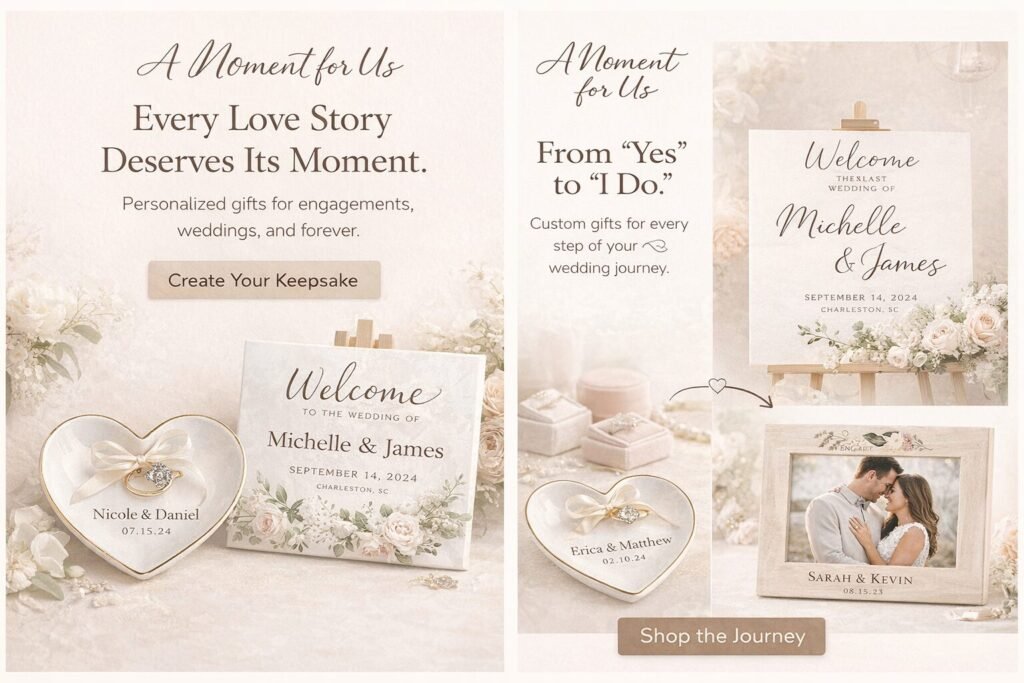

It’s really smart to think about family expectations early on – that’s definitely a key factor in wedding stress.