
Affiliate Disclosure: This article may contain affiliate links. If you purchase products or services through links mentioned in this article, we may earn a commission at no additional cost to you. Recommendations are provided for informational and educational purposes only.
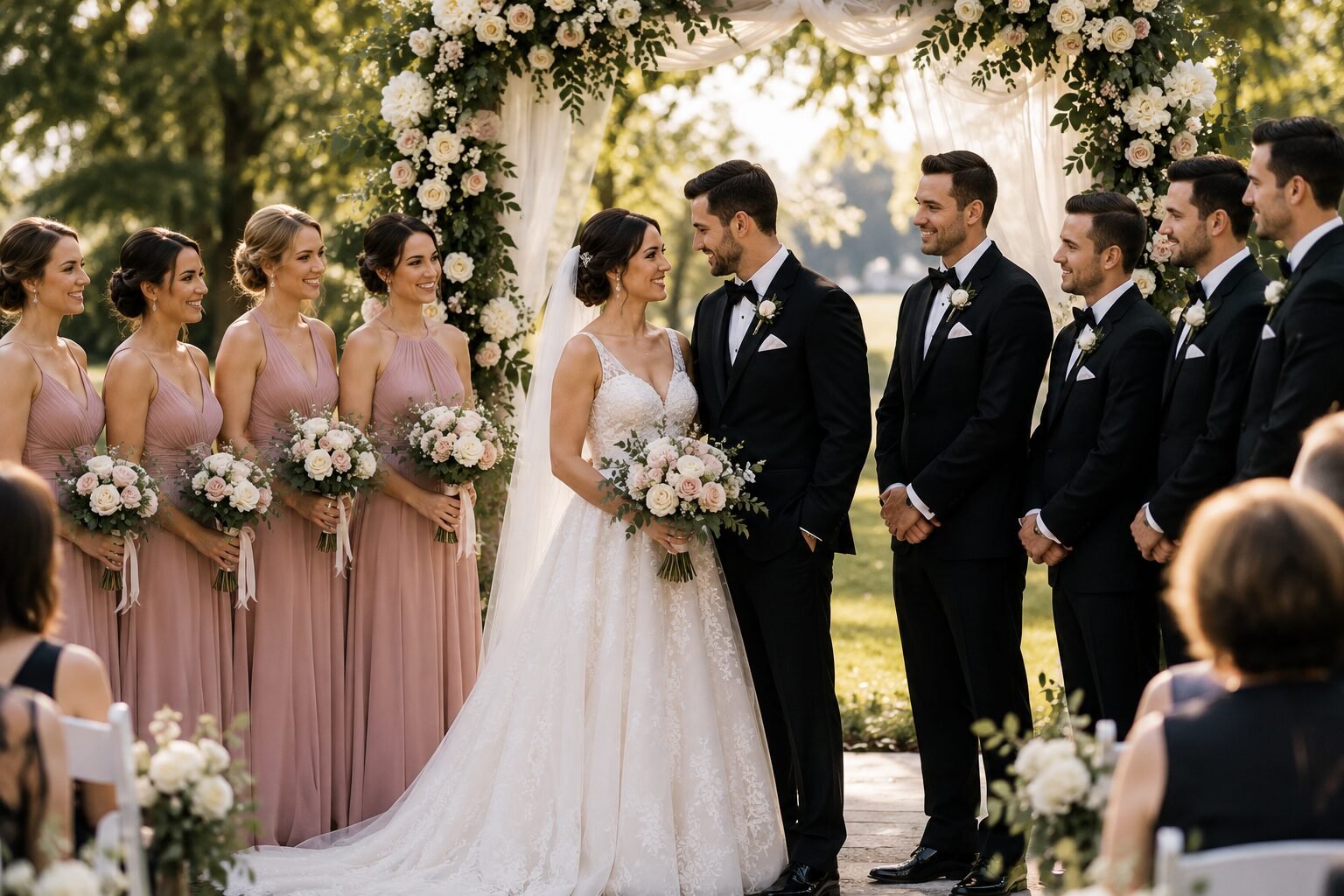
Few wedding traditions are as recognizable as the wedding party. Bridesmaids, groomsmen, the maid of honor, the best man, flower girls, ring bearers, ushers, and other attendants all play important roles in helping couples celebrate one of the biggest days of their lives.
While many people view these positions as honorary titles given to close friends and family members, the history of the wedding party is surprisingly fascinating. Many traditions date back hundreds—and in some cases thousands—of years. What began as customs rooted in protection, superstition, social status, and community involvement has evolved into a modern celebration of friendship, loyalty, and support.
In this expanded guide, we’ll explore the history of wedding parties, the modern responsibilities of attendants, current 2026 trends, budgeting considerations, and practical advice for selecting the people who will stand beside you on your wedding day.
The Ancient Origins of the Wedding Party
Marriage has always been more than a personal relationship. In ancient societies, weddings often represented alliances between families, communities, and social groups. Many early wedding customs developed from beliefs surrounding luck, protection, and prosperity. Over time, attendants became an important part of ceremonies and many of those traditions remain visible today.
Why Bridesmaids Were Originally Included
One of the most widely discussed wedding traditions involves bridesmaids dressing similarly to the bride. Ancient cultures believed this helped confuse evil spirits or jealous rivals who might wish harm upon the bride. While modern couples no longer worry about such concerns, coordinated bridal party attire remains a beloved tradition.
The Modern Role of Bridesmaids
Today’s bridesmaids provide emotional support, practical assistance, and friendship throughout the planning process. They often help with bridal showers, bachelorette celebrations, dress fittings, wedding preparation, and wedding-day logistics. Their role has become less ceremonial and more focused on helping the bride enjoy the experience.
The Maid of Honor: Leader of the Bridal Team
Among the bridal party, the maid or matron of honor typically serves as the bride’s closest advisor. She often helps coordinate schedules, organize events, communicate with bridesmaids, manage wedding-day details, and provide support during stressful moments.
The Fascinating History of Groomsmen
Historical accounts suggest that groomsmen once served practical and protective roles. Whether rooted in legend or history, the concept of trusted companions standing beside the groom has remained a consistent feature of weddings for centuries. Today, that role has evolved into one centered on friendship and support.
Modern Groomsmen Responsibilities
Groomsmen help coordinate bachelor celebrations, attend fittings, participate in rehearsal events, assist with transportation, welcome guests, and support the groom throughout the planning process. Their primary responsibility is helping reduce stress while contributing to a positive wedding experience.
The History of the Best Man
Historically, the best man was considered the groom’s most trusted companion. Ancient customs often assigned him significant responsibilities related to protection, organization, and support. While modern weddings no longer require such duties, the best man remains one of the most important members of the wedding party.
What the Best Man Does Today
Modern best men often organize bachelor parties, coordinate groomsmen, safeguard wedding rings, assist with schedules, deliver speeches, and help resolve problems throughout the wedding day. The best man frequently serves as the groom’s primary support person.
Wedding Superstitions and Good-Luck Traditions
Many wedding customs still reflect older beliefs about luck and prosperity. Traditions such as ‘something old, something new, something borrowed, and something blue,’ bouquet tosses, lucky charms, and avoiding seeing the bride before the ceremony remain popular because they connect modern celebrations with historical customs.
How Wedding Party Attire Has Evolved
Coordinated wedding-party attire remains one of the most visible wedding traditions. While matching outfits once served symbolic purposes, modern attire focuses on creating visual harmony, supporting wedding themes, and enhancing photography.
The Rise of Personalized Wedding Parties
Modern weddings increasingly prioritize personalization over strict tradition. Couples often customize wedding-party roles, attire, responsibilities, and ceremony participation to better reflect their relationships and personalities.
Beyond Bridesmaids and Groomsmen
Today’s wedding parties frequently include flower girls, ring bearers, junior attendants, readers, ushers, personal attendants, and family members who contribute in meaningful ways. These additions allow couples to involve more of the people who matter most.
Inclusive Wedding Parties in 2026
One of the biggest modern trends is flexibility. Many couples now choose bridesmen, groomswomen, mixed-gender wedding parties, multiple maids of honor, or multiple best men. The emphasis has shifted toward meaningful relationships rather than rigid traditions.
The Financial Reality of Being in a Wedding Party
Serving in a wedding party often involves expenses related to attire, travel, lodging, gifts, and pre-wedding events. Couples should communicate expectations clearly and remain mindful of the financial commitments being asked of attendants.
How to Choose the Right Wedding Party Members
Choosing wedding-party members should focus on trust, reliability, friendship, emotional support, and meaningful relationships. The people standing beside you should be individuals who have played important roles in your life rather than simply the most socially expected choices.
How Wedding Parties Reduce Stress
Wedding parties frequently help with last-minute challenges, guest questions, transportation coordination, schedule management, and emotional reassurance. Their support often allows couples to enjoy their celebration without becoming overwhelmed by logistics.
Wedding Party Gifts and Thank-You Ideas
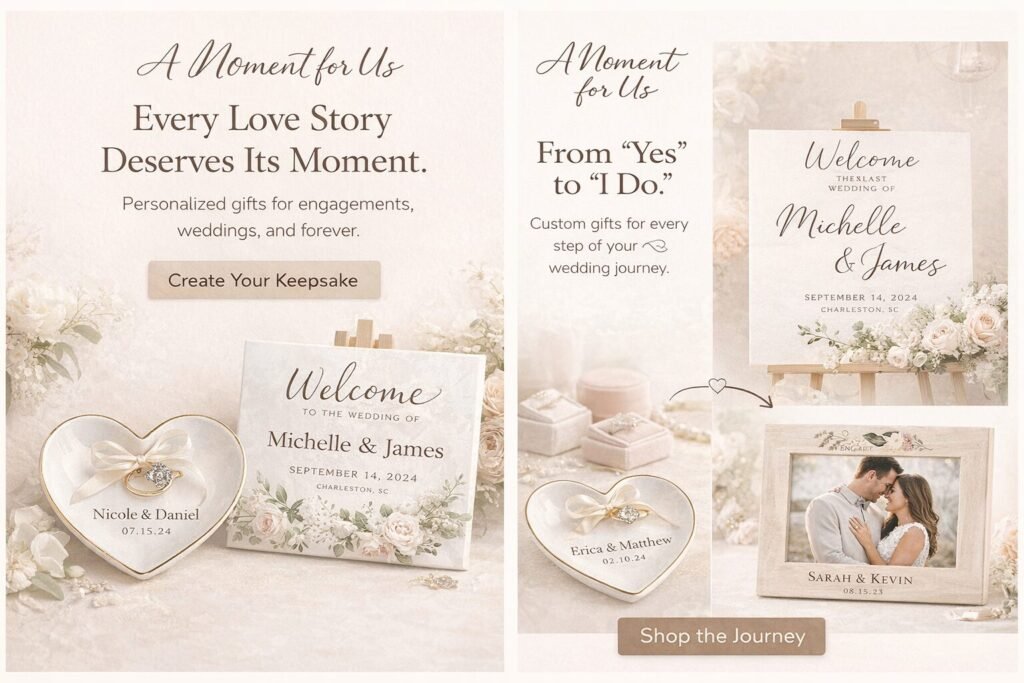
Many couples thank their attendants with personalized gifts such as engraved accessories, jewelry, watches, gift baskets, experience-based gifts, or handwritten letters. Thoughtful gifts acknowledge the time, effort, and support attendants provide.
Destination Weddings and Smaller Wedding Parties
Destination weddings and micro weddings have influenced wedding-party trends. Many couples now choose smaller wedding parties, streamlined responsibilities, and more intimate celebrations that focus on quality relationships rather than large groups.
Top Wedding Party Trends for 2026
Current trends include smaller wedding parties, sustainability-focused attire, custom wedding-party roles, personalized gifts, experience-based celebrations, flexible traditions, mixed-gender attendants, and highly individualized wedding experiences.
The Emotional Importance of Standing Beside the Couple
Ultimately, the wedding party represents far more than tradition. The people chosen to stand beside a couple often symbolize years of friendship, family connections, personal growth, shared experiences, and unwavering support.
Final Thoughts
Wedding-party traditions have evolved dramatically over time, but their purpose remains remarkably consistent. Whether serving as bridesmaids, groomsmen, maid of honor, best man, or another important role, attendants help celebrate one of life’s most meaningful milestones. Their presence reminds couples that marriage is not only about two individuals—it is also about the community of people who support them as they begin a new chapter together.



That’s a really thorough overview of the history behind wedding parties – it’s interesting to see how much has changed over time.