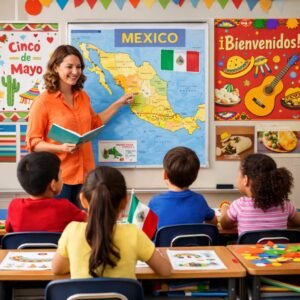
Introduction: Bringing Culture to Life in the Classroom
Cinco de Mayo provides a valuable opportunity for educators to introduce students to history, culture, and global awareness in an engaging and meaningful way. While the holiday is often associated with celebrations, it also offers rich educational content that can help students better understand Mexican heritage, historical events, and cultural traditions.
Incorporating themed classroom activities allows students to actively participate in learning rather than simply reading about it. Through interactive lessons, creative projects, and multimedia experiences, teachers can create an environment where students connect with the material on a deeper level.
These activities not only support academic growth but also promote cultural appreciation, curiosity, and respect for diverse traditions.
History-Based Activities: Understanding the Meaning of Cinco de Mayo
One of the most important aspects of teaching Cinco de Mayo is helping students understand its historical significance. Many students may not realize that the holiday commemorates the Battle of Puebla rather than Mexican Independence Day.
Engaging History Activity Ideas:
- Timeline Creation: Have students build a timeline of events leading up to the Battle of Puebla
- Map Exploration: Identify Puebla on a map and discuss its importance
- Role-Playing Activity: Assign students roles (soldiers, leaders, citizens) to act out the battle
- Short Research Projects: Students can research key figures like General Ignacio Zaragoza
- Class Discussions: Compare the Mexican army and French forces to understand the odds
These activities help students move beyond memorization and truly grasp the importance of the historical event.
Music Exploration: Experiencing Cultural Expression
Music is a powerful way to connect students to culture. Introducing traditional Mexican music allows students to experience the rhythm, instruments, and emotions tied to Cinco de Mayo celebrations.
Music Activity Ideas:
- Listening Sessions: Play mariachi music and discuss instruments used
- Instrument Identification: Teach students about guitars, violins, and trumpets
- Create Your Own Rhythm: Use classroom objects to mimic musical patterns
- Dance Integration: Pair music lessons with simple dance movements
- Song Analysis: Explore the meaning behind traditional songs
Music-based activities make learning fun and interactive while exposing students to cultural traditions.
Food Discussions: Exploring Culture Through Cuisine
Food is an important part of cultural identity, and discussing traditional Mexican dishes can spark student interest and curiosity.
Classroom Food Activity Ideas:
- Food Comparison Charts: Compare traditional Mexican foods with familiar foods
- Recipe Reading Exercise: Practice reading comprehension using simple recipes
- Cultural Discussions: Talk about ingredients and where they come from
- Food Vocabulary Lessons: Teach Spanish words related to food
- Virtual Cooking Demonstrations: Watch videos of traditional dishes being made
Even without bringing food into the classroom, these discussions help students understand the cultural significance behind cuisine.
Art and Craft Activities: Creative Cultural Expression
Art projects allow students to express what they’ve learned in a creative and visual way. These activities are especially effective for younger learners.
Art Activity Ideas:
- Paper Flower Creations: Inspired by traditional Mexican decorations
- Flag Coloring Projects: Learn about the Mexican flag and its symbols
- Piñata Crafts: Create mini piñatas using simple materials
- Poster Projects: Design posters about Cinco de Mayo
- Colorful Banner Designs: Make papel picado-style decorations
Art activities reinforce learning while making the classroom more festive and engaging.
Interactive Group Activities: Learning Through Collaboration
Group activities encourage teamwork and help students learn from one another. They also make lessons more dynamic and engaging.
Group Activity Ideas:
- Trivia Games: Test knowledge about Cinco de Mayo history and culture
- Class Presentations: Small groups present on different topics
- Cultural Stations: Set up stations for music, history, and art
- Matching Games: Match vocabulary words with definitions or images
- Storytelling Circles: Share stories related to Mexican culture
These activities promote participation and make learning more memorable.
Multimedia Integration: Enhancing Learning with Technology
Using multimedia resources can bring lessons to life and help students better visualize concepts.
Multimedia Ideas:
- Educational Videos: Show short clips explaining Cinco de Mayo
- Interactive Slideshows: Use visuals to highlight key points
- Virtual Tours: Explore Puebla or Mexican cultural landmarks online
- Audio Clips: Play traditional music or storytelling recordings
- Digital Quizzes: Use online tools to review content
Incorporating technology keeps students engaged and caters to different learning styles.
Tips for Teachers: Making Activities Effective
To ensure that Cinco de Mayo classroom activities are both educational and meaningful, consider the following tips:
Teaching Tips:
- Keep it age-appropriate: Adjust activities based on grade level
- Focus on accuracy: Clarify common misconceptions about the holiday
- Encourage participation: Use interactive and hands-on methods
- Promote respect: Emphasize cultural appreciation over stereotypes
- Blend subjects: Combine history, art, music, and language learning
These strategies help create a well-rounded and impactful learning experience.
Extending Learning Beyond the Classroom
Cinco de Mayo activities can go beyond a single lesson or day. Extending the learning experience can deepen understanding and engagement.
Extension Ideas:
- Assign take-home projects involving family participation
- Encourage students to share what they learned with others
- Create a classroom display showcasing student work
- Host a mini cultural celebration at school
- Connect lessons to broader topics like global history and diversity
These extensions help reinforce the importance of cultural awareness and continued learning.
Conclusion: Making Cultural Learning Meaningful and Fun
Cinco de Mayo classroom activities offer a unique opportunity to combine education with celebration. By incorporating history, music, food discussions, art, and interactive learning, teachers can create lessons that are both engaging and meaningful.
These activities not only help students understand the significance of Cinco de Mayo but also foster respect for different cultures and traditions. When students actively participate in learning, they are more likely to remember and appreciate what they’ve discovered.
Ultimately, bringing Cinco de Mayo into the classroom is about more than teaching a holiday—it’s about building curiosity, connection, and cultural understanding that lasts beyond the lesson.