Affiliate Disclosure
This article is for educational purposes only and should not be considered medical advice. Always consult a qualified healthcare professional regarding pregnancy, alcohol consumption, and prenatal health decisions.
Why Alcohol and Pregnancy Are Important Health Topics
Pregnancy is one of the most important periods of human development. During pregnancy, a baby’s organs, brain, nervous system, and body systems are forming rapidly. Because development occurs at such a fast pace, health choices made during pregnancy can have meaningful effects on both mother and child. Researchers have spent decades studying the relationship between alcohol and fetal development. While debates have existed regarding very small amounts of alcohol consumption, most modern medical organizations recommend avoiding alcohol during pregnancy altogether. This recommendation is based on the principle of minimizing preventable risks. Understanding the science behind these recommendations helps expectant mothers make informed decisions. Education and awareness are valuable tools for promoting healthy pregnancies. Healthcare providers continue to emphasize evidence-based guidance when discussing alcohol use during pregnancy. Learning about these topics early can help families prepare for the healthiest pregnancy possible.
How Alcohol Reaches the Developing Baby
When alcohol is consumed, it enters the bloodstream and circulates throughout the body. During pregnancy, alcohol can cross the placenta and reach the developing fetus. Unlike adults, a fetus does not have a fully developed liver capable of processing alcohol efficiently. As a result, alcohol may remain in the fetal system for longer periods. Researchers believe this prolonged exposure may affect developing tissues and organs. The placenta provides nutrients and oxygen to the baby, but it cannot completely block alcohol from passing through. This biological reality is one of the primary reasons healthcare professionals recommend avoiding alcohol during pregnancy. Understanding how alcohol reaches the fetus helps explain why medical experts continue to approach the issue cautiously. Even small exposures are studied carefully because fetal development is complex and highly sensitive.
Understanding Fetal Development
Fetal development begins shortly after conception and continues throughout pregnancy. During the first trimester, critical structures such as the brain, spinal cord, and major organs begin forming. The second trimester involves significant growth and further development of body systems. During the third trimester, the brain and nervous system continue maturing at a rapid pace. Proper nutrition, prenatal care, and healthy lifestyle choices help support these developmental processes. Because so many systems are developing simultaneously, researchers remain interested in how environmental exposures may affect outcomes. Prenatal health recommendations are designed to protect these important stages of growth. Understanding fetal development helps explain why prevention strategies are often emphasized. Every stage of pregnancy presents unique opportunities to support healthy development. Consistent medical care remains one of the most important factors in promoting positive outcomes.
What Is Fetal Alcohol Syndrome?
Fetal Alcohol Syndrome, commonly known as FAS, is a condition associated with significant prenatal alcohol exposure. Individuals affected by FAS may experience physical, cognitive, behavioral, and developmental challenges. Symptoms can vary in severity and may affect learning, attention, memory, and growth. Researchers have spent years studying how prenatal alcohol exposure contributes to these outcomes. Early intervention and support services can help improve long-term outcomes for affected individuals. Families, educators, and healthcare providers often work together to provide support. Public health organizations emphasize prevention because the effects can be lifelong. Increased awareness has contributed to stronger educational campaigns over time. Understanding FAS helps explain why alcohol use during pregnancy remains an important public health topic. Continued research helps improve prevention and support strategies.
Understanding Fetal Alcohol Effects
Medical understanding of alcohol-related developmental conditions has evolved significantly over time. Earlier terminology often referred to Fetal Alcohol Effects, while modern healthcare literature frequently uses broader spectrum-based language. This reflects the understanding that alcohol exposure may affect individuals in different ways and to different degrees. Some children may experience learning difficulties, attention challenges, or developmental delays without meeting the criteria for FAS. Researchers continue studying how timing, frequency, and quantity of alcohol exposure may influence outcomes. Early diagnosis can help families access important educational and developmental resources. Greater awareness among healthcare professionals has improved identification and support. Ongoing research continues to refine understanding of these conditions. Public education remains a key part of prevention efforts. These advances highlight the importance of evidence-based prenatal care.
Why the Debate Exists
Questions about alcohol use during pregnancy have generated discussion for many years. Some studies have explored whether very low levels of alcohol consumption may carry less risk than previously believed. Other experts argue that because a completely safe threshold has not been established, avoidance remains the most responsible recommendation. Differences in study design, population groups, and measurement methods have contributed to varying interpretations. Public health recommendations often prioritize prevention when uncertainty exists. This precautionary approach seeks to reduce avoidable risks. The debate highlights the challenges of studying complex human health outcomes. Despite differing viewpoints, most major health organizations recommend abstaining from alcohol during pregnancy. Understanding the reasons behind these recommendations can help individuals make informed decisions. Scientific research continues to expand knowledge in this area.
The Difference Between Moderate Drinking and Binge Drinking
Researchers frequently distinguish between drinking patterns when evaluating risk. Binge drinking generally involves consuming multiple alcoholic beverages within a short period of time. This pattern can lead to higher blood alcohol concentrations and may increase potential risks. Moderate drinking is typically defined differently depending on the study or organization involved. However, because no universally accepted safe amount during pregnancy has been established, healthcare providers often recommend complete avoidance. Understanding drinking patterns helps explain why some studies focus heavily on binge drinking. Higher exposure levels are generally associated with greater concern. Public health messaging often emphasizes avoiding behaviors that may increase risk. Education about drinking patterns helps individuals better understand medical recommendations. These distinctions remain important in ongoing research.
Modern Medical Recommendations
Today, many leading medical organizations recommend avoiding alcohol throughout pregnancy. This includes guidance from major public health agencies and professional medical groups. These recommendations are based on current evidence and a precautionary approach to fetal health. Healthcare providers often discuss lifestyle choices that support healthy pregnancies, including nutrition, exercise, and avoiding known risk factors. Because no universally confirmed safe threshold exists, abstinence remains the standard recommendation. These guidelines are designed to provide clear and consistent advice. Public health campaigns have helped increase awareness about prenatal alcohol exposure. Many healthcare providers encourage patients to ask questions and discuss concerns openly. Personalized guidance can help address individual circumstances. Following evidence-based recommendations supports informed decision-making.
Planning for Pregnancy
For individuals planning to become pregnant, health choices before conception can be important. Some experts recommend reducing or eliminating alcohol consumption while trying to conceive. Early fetal development often begins before pregnancy is recognized, making preconception health particularly valuable. Planning ahead allows individuals to establish healthy habits before pregnancy occurs. Prenatal vitamins, balanced nutrition, and medical checkups are commonly recommended. Conversations with healthcare providers can help identify specific needs and risk factors. Preparing for pregnancy can contribute to improved maternal and fetal health outcomes. Education and planning empower individuals to make informed choices. Small lifestyle adjustments before conception can have meaningful benefits. Proactive preparation is often encouraged by healthcare professionals.
Common Myths About Wine and Pregnancy
Many myths continue to circulate regarding alcohol and pregnancy. One common misconception is that wine is automatically safer than other alcoholic beverages. In reality, alcohol content and overall exposure are more important than beverage type. Another myth suggests that very small amounts of alcohol are always risk-free, but researchers continue studying low-level exposure. Some people mistakenly believe alcohol only poses concerns later in pregnancy, when development actually occurs throughout all stages. Misunderstandings can create confusion for expectant parents. Reliable information from healthcare professionals remains the best source of guidance. Public health education helps address persistent misconceptions. Understanding the facts allows individuals to evaluate claims more critically. Evidence-based information remains essential for informed decision-making.
Supporting a Healthy Pregnancy
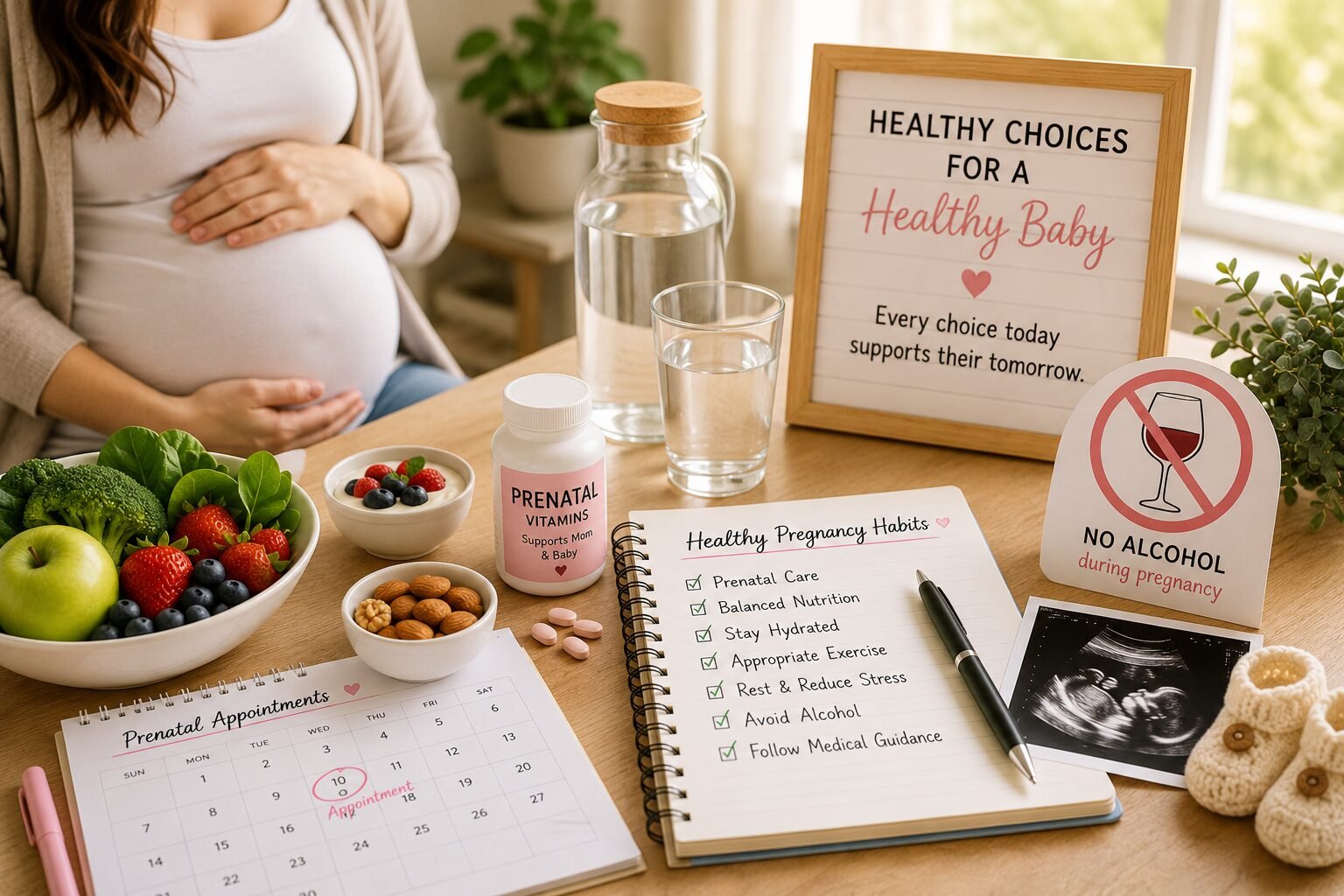
A healthy pregnancy involves many lifestyle factors working together. Regular prenatal appointments allow healthcare providers to monitor maternal and fetal health. Balanced nutrition provides essential nutrients that support development. Staying hydrated and engaging in appropriate physical activity can contribute to overall wellness. Avoiding tobacco, excessive alcohol, and other known risk factors is commonly recommended. Adequate sleep and stress management may also play important roles. Family support and access to healthcare resources can further improve outcomes. Every pregnancy is unique, making personalized medical advice important. Consistent healthy habits can help support both mother and baby. Prenatal care remains one of the most effective tools for promoting healthy pregnancies.
Questions to Discuss with a Healthcare Provider
Expectant mothers often have important questions about prenatal health. Individuals who consumed alcohol before realizing they were pregnant should discuss their situation with a healthcare provider. Medical professionals can provide guidance based on specific circumstances and medical history. Questions about nutrition, exercise, medications, and lifestyle changes are also common. Open communication helps ensure that concerns are addressed appropriately. Healthcare providers can explain current recommendations and available resources. Personalized advice is often more valuable than general information found online. Patients should feel comfortable discussing any concerns without fear of judgment. Collaborative conversations support informed healthcare decisions. Regular prenatal visits provide opportunities for these discussions.
The Importance of Individual Medical Advice
Every pregnancy is different, and recommendations may vary based on health history, age, medical conditions, and other factors. While educational articles provide useful background information, they cannot replace professional medical guidance. Healthcare providers can assess individual circumstances and offer personalized recommendations. This individualized approach helps address specific risks and concerns. Medical advice should always be based on current evidence and clinical expertise. Online information can be helpful, but it may not apply equally to every situation. Building a strong relationship with a trusted healthcare provider supports better decision-making. Personalized care remains a cornerstone of modern prenatal health. Seeking professional guidance is one of the most important steps expectant parents can take. Individualized recommendations help promote the best possible outcomes.
Final Thoughts
Alcohol and pregnancy remain important public health topics because of the potential effects of prenatal alcohol exposure. Although debates have existed regarding low-level consumption, most major health organizations recommend avoiding alcohol during pregnancy. These recommendations are based on caution, prevention, and the goal of supporting healthy fetal development. Understanding how alcohol reaches the fetus and learning about developmental risks can help individuals make informed decisions. Reliable information and open communication with healthcare providers remain essential. Healthy prenatal habits support both maternal and fetal well-being. Continued research will likely provide additional insights in the future. Until then, evidence-based guidance remains the foundation of current recommendations. Education empowers expectant parents to make thoughtful choices. By staying informed and working closely with healthcare professionals, families can better support a healthy pregnancy.








That’s a really important reminder – it’s so easy to forget how vulnerable you are during pregnancy. I appreciate you highlighting the need to talk to a doctor about this.