Introduction
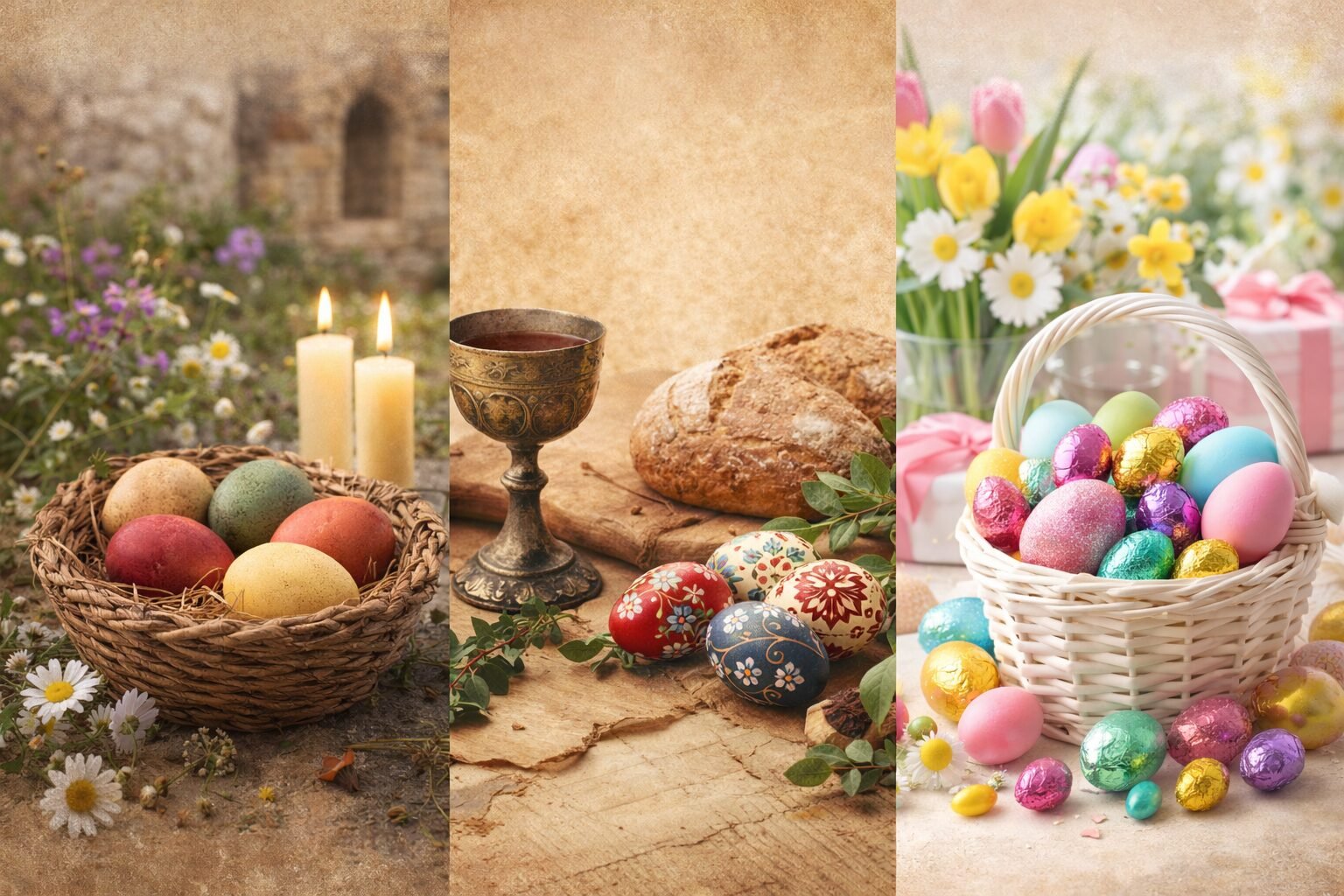
Today, Easter is often associated with colorful baskets, chocolate bunnies, decorated eggs, and joyful family gatherings. Stores fill their shelves with candy, churches prepare special services, and children eagerly anticipate Easter egg hunts. While these traditions feel modern and familiar, the history of Easter stretches far beyond baskets and candy displays.
The holiday has evolved over thousands of years, shaped by ancient seasonal celebrations, religious observances, and cultural traditions that developed across continents. What we now recognize as Easter is actually the result of many historical influences blending together over time.
From early civilizations celebrating the arrival of spring to the Christian observance of the resurrection of Jesus Christ, Easter reflects humanity’s enduring fascination with renewal, hope, and new beginnings. As centuries passed, traditions continued to evolve, eventually leading to the festive holiday celebrated around the world today.
Ancient Spring Festivals
Long before Easter became associated with Christianity, many ancient cultures celebrated the arrival of spring. These early festivals marked the end of winter and the return of warmth, sunlight, and fertile land.
For agricultural societies, the transition from winter to spring was extremely important. Crops could finally be planted, animals began reproducing again, and food supplies were expected to grow after months of scarcity. As a result, many early communities developed celebrations honoring fertility, rebirth, and the renewal of life.
In ancient Persia, the spring festival known as Nowruz celebrated the beginning of a new year. This festival included symbolic foods, decorations, and customs meant to represent renewal and prosperity.
Similarly, ancient Romans celebrated spring festivals honoring goddesses associated with fertility and agriculture. These celebrations often included flowers, feasting, and rituals meant to encourage successful harvests.
In northern Europe, pagan communities also celebrated seasonal festivals welcoming the return of longer days and warmer weather. These celebrations often included symbols of fertility such as rabbits, eggs, and blooming plants.
Although these ancient celebrations were not connected to Christianity, they established many themes—renewal, rebirth, and new life—that would later become closely associated with Easter.

Early Christian Observance
As Christianity spread throughout the Roman Empire and beyond, believers developed their own traditions to commemorate important events in the life of Jesus Christ. The most significant of these events was the resurrection, which Christians believe occurred three days after Jesus was crucified.
The celebration of Christ’s resurrection became the central focus of Easter. For early Christians, the resurrection symbolized victory over death and the promise of eternal life. This powerful message made Easter one of the most important holidays in the Christian calendar.
Early Christian communities held special worship services, prayers, and gatherings to mark the occasion. These observances often took place after the solemn period of Lent, a forty-day season of fasting, reflection, and spiritual preparation leading up to Easter.
Over time, churches developed formal liturgical traditions for Holy Week, including Palm Sunday, Good Friday, and Easter Sunday itself. These observances allowed believers to reflect on the events surrounding the crucifixion and resurrection of Jesus.
As Christianity spread across Europe, the celebration of Easter gradually blended with local cultural traditions that already honored the arrival of spring.

Medieval Easter Traditions
During the medieval period, Easter celebrations became even more elaborate and deeply woven into community life. Churches played a central role in organizing religious observances, while towns and villages developed their own customs and festivities.
Easter services during this time were often grand events. Churches were decorated with flowers, candles, and symbolic artwork representing resurrection and new life. Special music and dramatic reenactments of biblical events were sometimes performed as part of the celebrations.
In many regions, Easter was also marked by large community feasts. After weeks of fasting during Lent, people celebrated the holiday with abundant meals featuring eggs, breads, meats, and sweets.
Medieval communities also introduced festive activities such as games, dancing, and public pageants. These celebrations brought entire villages together and helped reinforce Easter as both a religious and social event.
Many traditions that began during the medieval period continued to evolve and remain part of Easter celebrations today.
The Emergence of Eggs as Easter Symbols
One of the most recognizable symbols of Easter is the egg. Its association with the holiday developed gradually over centuries and carries deep symbolic meaning.
Eggs have long been viewed as symbols of life and rebirth. In the natural world, eggs contain the potential for new life, making them a powerful representation of renewal.
For Christians, this symbolism aligned perfectly with the message of Easter. The egg came to represent the resurrection of Jesus, with the shell symbolizing the sealed tomb and the life inside representing Christ emerging from the grave.
Another factor that strengthened the connection between eggs and Easter was the fasting tradition during Lent. In many early Christian communities, eggs were not eaten during the fasting period. As a result, families often saved the eggs laid during Lent.
When Easter finally arrived and the fasting period ended, eggs became one of the first foods people enjoyed again. This helped establish eggs as a traditional part of Easter celebrations.
Eventually, decorating eggs became a popular custom. In parts of Eastern Europe, intricate egg decorating traditions such as pysanky developed, turning eggs into beautiful works of art.

Industrialization and the Rise of Easter Candy
The Easter traditions we recognize today began to take shape during the 19th century, especially as industrialization transformed food production.
Advancements in candy-making allowed confectioners to produce sweets on a much larger scale. Chocolate, which had once been expensive and difficult to produce, became more widely available.
European candy makers began crafting chocolate eggs as a creative and delicious twist on traditional Easter symbols. These chocolate eggs quickly became popular gifts during the holiday season.
Soon, candy manufacturers expanded their offerings to include chocolate rabbits, marshmallow treats, jelly beans, and other festive sweets.
By the late 19th and early 20th centuries, Easter had become closely associated with candy and gift-giving. Stores began promoting Easter baskets filled with colorful treats, a tradition that remains popular today.
Easter in the Modern Era
Today, Easter is celebrated around the world in many different ways. While religious observances remain central for many Christians, the holiday has also become a widely recognized cultural celebration.
Church services, family gatherings, and community events continue to play an important role in Easter traditions. At the same time, modern celebrations often include activities designed for families and children.
Easter egg hunts are among the most popular traditions. In parks, schools, and backyards, children search for hidden eggs filled with candy or small toys.
Decorating eggs remains a beloved family activity, allowing creativity and tradition to come together. Homes and stores are often decorated with pastel colors, spring flowers, and festive Easter displays.
In the modern era, Easter also reflects a blend of cultural influences from around the world. Different countries celebrate the holiday in unique ways, incorporating their own customs, foods, and traditions.
Despite these variations, the core themes of Easter—renewal, hope, and celebration—remain universal.
Conclusion
From ancient spring rituals to modern chocolate eggs, Easter has undergone a remarkable transformation over the centuries.
What began as seasonal celebrations honoring fertility and renewal gradually merged with Christian traditions commemorating the resurrection of Jesus Christ. As cultures blended and societies evolved, new customs emerged, enriching the holiday with creativity, symbolism, and joyful celebration.
Today’s Easter traditions reflect this long history. Whether through religious worship, family gatherings, egg hunts, or festive treats, the holiday continues to bring people together.
Easter’s enduring appeal lies in its powerful message: the promise of new beginnings and the celebration of life’s renewal.