Affiliate Disclosure: This article may contain affiliate links. If you purchase products through these links, The Shopping Plaza may earn a small commission at no additional cost to you. These commissions help support The Shopping Plaza and allow us to continue creating helpful parenting resources, holiday inspiration, and entertaining guides. Thank you for your support!
Thanksgiving is more than a delicious meal and a long holiday weekend—it’s an opportunity to teach one of life’s most valuable lessons: gratitude. While children naturally become excited about family gatherings, festive decorations, and tasty desserts, they may not fully understand the deeper meaning behind the holiday. As parents, grandparents, and caregivers, Thanksgiving provides the perfect chance to help children recognize the importance of appreciating the people, experiences, and blessings that enrich their lives.
Gratitude is not simply about saying “thank you.” It’s a mindset that encourages kindness, empathy, generosity, and a positive outlook on life. By teaching gratitude early, families can help children develop habits that benefit them throughout childhood and well into adulthood.
Whether your children are toddlers, elementary school students, or teenagers, there are many meaningful and enjoyable ways to make gratitude an important part of your Thanksgiving celebration.
Why Gratitude Matters
Gratitude helps children focus on what they have rather than what they lack. In a world filled with advertisements, wish lists, and constant comparisons, learning to appreciate everyday blessings is an invaluable life skill.
Children who practice gratitude often develop:
Greater empathy
Improved emotional well-being
Stronger family relationships
Better friendships
Increased generosity
More positive attitudes
Greater resilience during challenges
Teaching gratitude isn’t about ignoring difficulties—it’s about helping children recognize the good that exists alongside them.
Explain the Meaning of Thanksgiving
Children often associate Thanksgiving with turkey, football, and pumpkin pie. While these traditions are certainly enjoyable, they should also understand why the holiday exists.
Use age-appropriate language to explain that Thanksgiving is a time to:
Appreciate family
Celebrate blessings
Share with others
Reflect on the past year
Express thankfulness
Keep the conversation simple for younger children and gradually introduce more historical and cultural context as they grow older.
Lead by Example
Children learn more from what they observe than from what they’re told.
If adults regularly express gratitude, children naturally begin to imitate those behaviors.
Model gratitude by saying things like:
“I’m thankful we get to spend today together.”
“I appreciate everyone helping prepare dinner.”
“I’m grateful for our health.”
“Thank you for being so thoughtful.”
Simple daily examples demonstrate that gratitude is part of everyday life, not just Thanksgiving.
Start a Gratitude Tradition
Family traditions help reinforce important values year after year.
Consider beginning Thanksgiving with a gratitude activity such as:
Sharing one thing each person is thankful for
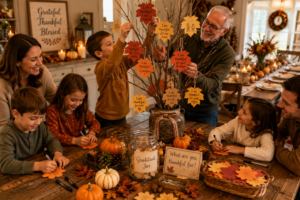
Writing blessings on paper leaves
Filling a gratitude jar
Creating a thankful tree
Passing around a gratitude basket
These traditions become meaningful family memories while encouraging thoughtful reflection.
Create a Thankfulness Tree
A thankfulness tree is one of the easiest and most engaging Thanksgiving activities for children.
Here’s how it works:
Draw or create a tree.
Cut leaves from colored paper.
Have each family member write something they’re thankful for.
Attach the leaves to the branches.
By dinner time, the tree becomes a beautiful visual reminder of the many blessings your family shares.
Keep a Gratitude Journal
Encourage older children to write down a few things they’re thankful for each day during the weeks leading up to Thanksgiving.
Entries might include:
Family members
Friends
Teachers
Pets
Favorite memories
Good health
Acts of kindness
Over time, children begin noticing positive moments they may have otherwise overlooked.
Read Thanksgiving Books Together
Books provide wonderful opportunities to introduce gratitude through storytelling.
Choose age-appropriate stories that emphasize:
Kindness
Sharing
Family
Generosity
Thankfulness
Helping others
Reading together naturally leads to meaningful conversations about the values portrayed in each story.
Encourage Acts of Kindness
Gratitude often inspires generosity.
Invite children to participate in simple acts of kindness such as:
Helping prepare dinner
Delivering meals
Donating toys
Writing thank-you notes
Baking treats for neighbors
Helping younger siblings
Serving others helps children recognize how their actions can positively impact someone else’s day.
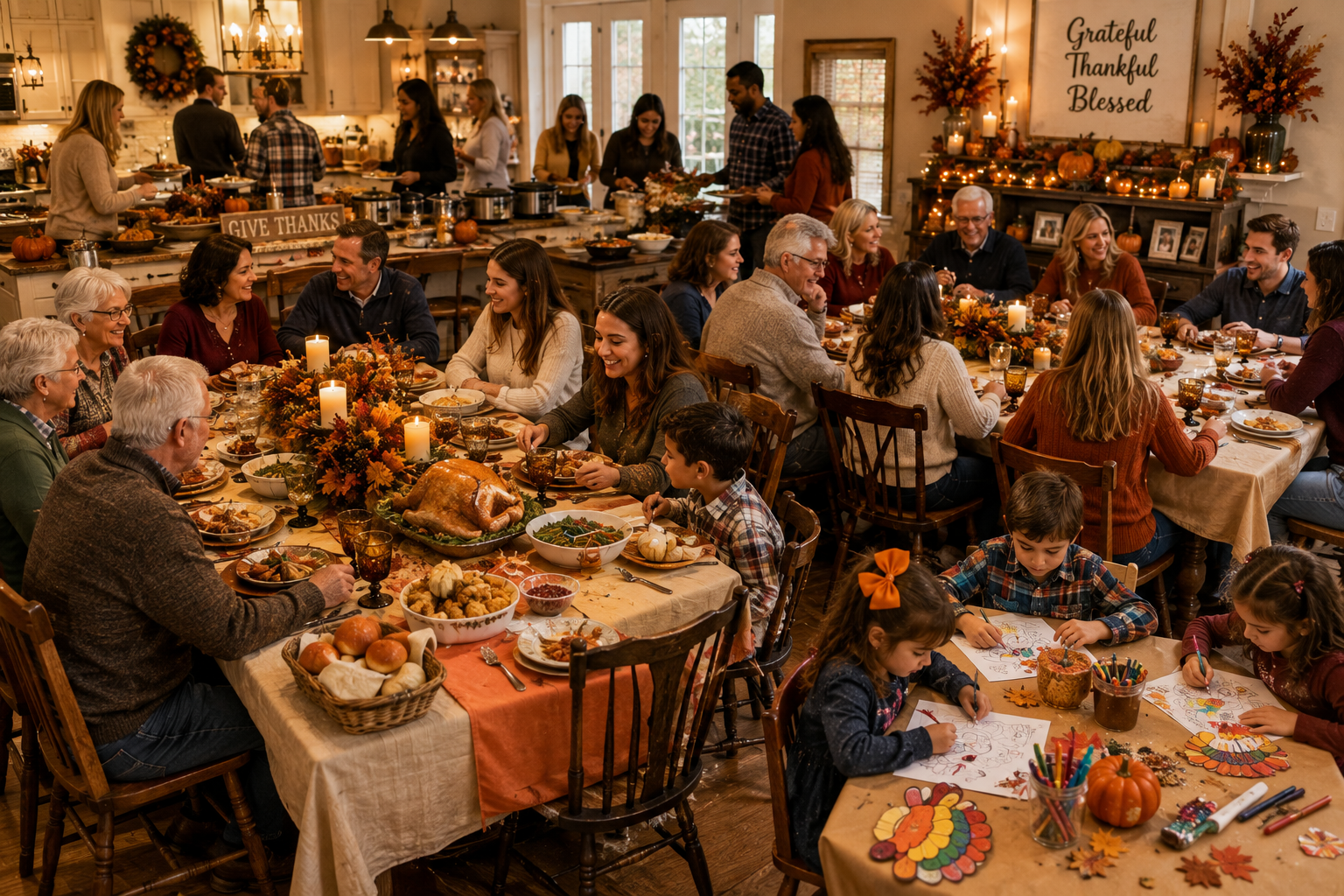
Involve Children in Thanksgiving Preparations
Children feel more connected to Thanksgiving when they actively participate.
Age-appropriate tasks include:
Setting the table
Decorating
Stirring ingredients
Folding napkins
Making place cards
Arranging centerpieces
Participation creates ownership while teaching appreciation for the effort involved in preparing a holiday meal.
Teach the Value of Saying Thank You
While saying “thank you” is only one part of gratitude, it’s still an important habit to develop.
Encourage children to express appreciation when:
Receiving gifts
Being helped
Sharing meals
Receiving compliments
Spending time with loved ones
Explain that sincere gratitude helps strengthen relationships.
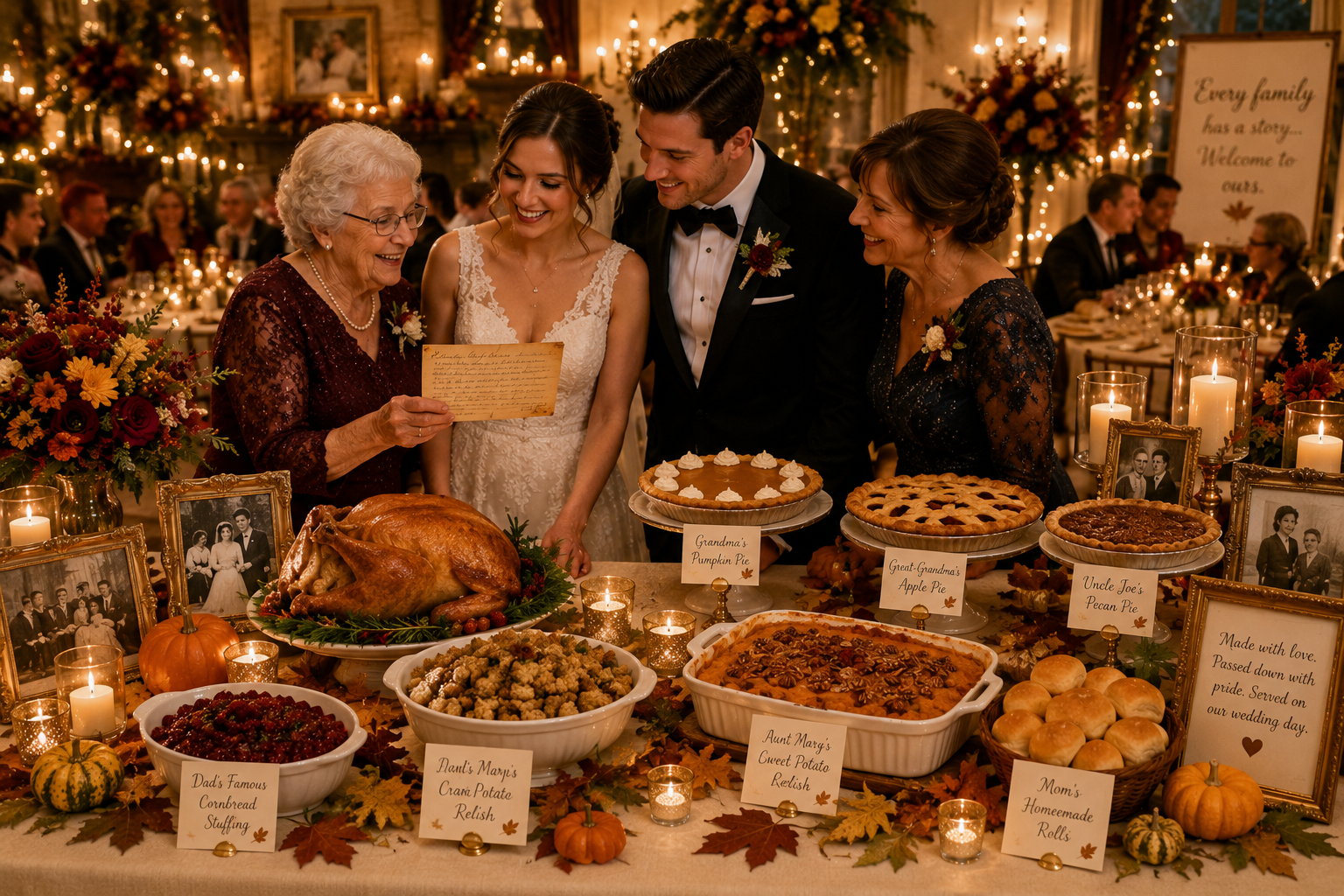
Share Family Stories
Thanksgiving provides an excellent opportunity to discuss family history.
Tell children stories about:
Grandparents
Childhood Thanksgivings
Family traditions
Overcoming challenges
Acts of kindness
These conversations help children appreciate the sacrifices and experiences that shaped their family.
Limit Distractions During Family Time
Phones, tablets, and televisions can easily distract children from meaningful conversations.
Consider setting aside dedicated screen-free time during Thanksgiving activities.
Without digital distractions, children are more likely to:
Listen attentively
Participate in conversations
Build stronger family connections
Create lasting memories
Sometimes the greatest gift parents can give is their full attention.
Practice Gratitude Beyond Thanksgiving
Gratitude shouldn’t end when Thanksgiving is over.
Simple daily habits include:
Sharing one positive moment before bedtime
Thanking family members regularly
Keeping gratitude journals
Celebrating small victories
Recognizing acts of kindness
Consistent practice helps gratitude become a lifelong habit rather than a once-a-year activity.
Teach Gratitude Through Giving
Helping others often deepens a child’s understanding of thankfulness.
Consider volunteering as a family or supporting community organizations during the holiday season.
Children can help by:
Packing food donations
Collecting winter clothing
Donating books
Creating care packages
Participating in toy drives
Experiencing generosity firsthand helps children appreciate both giving and receiving.
Celebrate Simple Blessings
Gratitude isn’t limited to major life events.
Teach children to appreciate everyday moments such as:
Warm meals
Cozy homes
Family hugs
Good friends
Beautiful weather
Favorite books
Time together
Recognizing small blessings encourages a positive outlook throughout the year.
Make Gratitude Fun
Young children often learn best through games and creative activities.
Try ideas like:
Gratitude scavenger hunts
Thankful coloring pages
Gratitude bingo
Thanksgiving crafts
“I’m thankful because…” storytelling
Family gratitude charades
These playful activities reinforce meaningful lessons without feeling like a classroom assignment.
Encourage Reflection After Thanksgiving
Once the holiday has ended, take a few moments to talk with your children about the day.
Ask questions like:
What was your favorite part of Thanksgiving?
Who made you smile today?
What act of kindness did you notice?
What are you thankful for now that Thanksgiving is over?
How can we continue showing gratitude throughout the year?
Reflection helps children connect the experiences of the day with the values you’ve been teaching.
Make Gratitude a Year-Round Family Value
The greatest lesson Thanksgiving can teach isn’t confined to a single holiday. Gratitude becomes truly meaningful when it shapes everyday family life.
Look for opportunities throughout the year to recognize kindness, celebrate simple joys, and thank the people who make a difference. Whether it’s appreciating a teacher, thanking a neighbor, or recognizing a family member’s hard work, these everyday moments reinforce the habits children began learning during Thanksgiving.
When gratitude becomes part of your family’s culture, children grow up understanding that appreciation isn’t just something we express once a year—it’s a way of living.
Final Thoughts
Helping children understand gratitude is one of the most meaningful gifts families can give. Thanksgiving offers the perfect opportunity to teach appreciation, kindness, generosity, and reflection through traditions, conversations, and shared experiences.
By modeling gratitude, involving children in holiday preparations, encouraging acts of kindness, and creating meaningful family traditions, you’ll help them develop values that will serve them throughout their lives. While they may remember the delicious food and festive decorations, the lessons they learn about gratitude will become lasting treasures that extend far beyond Thanksgiving Day.
This holiday season, take time to celebrate not only what you have, but also the opportunity to help the next generation grow into compassionate, thankful, and generous individuals.