Best Thanksgiving Organization Tools Every Host Should Own
Affiliate Disclaimer: This article may contain affiliate links. If you purchase through qualifying links, The Shopping Plaza may earn a commission at no additional cost to you.
Why Organization Matters
Hosting Thanksgiving involves coordinating food preparation, timing, seating, decorations, and guests. The right organization tools reduce stress and help the day run smoothly.
A Thanksgiving Planning Binder
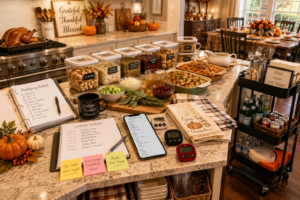
One of the most valuable organization tools a Thanksgiving host can have is a dedicated Thanksgiving Planning Binder. Think of it as the command center for your entire holiday. Instead of searching through recipe books, scrolling through your phone for grocery lists, or trying to remember who volunteered to bring the pumpkin pie, everything you need is organized in one convenient place. Whether you use a traditional three-ring binder, a notebook, or a digital planner on your tablet or laptop, having one central location for all your Thanksgiving information can dramatically reduce stress and help you stay focused as the big day approaches.
Start your binder with a master Thanksgiving checklist. This should include every major task that needs to be completed before, during, and after Thanksgiving. Break it down into weekly sections, beginning about a month before the holiday. For example:
Four Weeks Before Thanksgiving
- Finalize your guest list.
- Decide whether you’re hosting a sit-down dinner or buffet.
- Plan your Thanksgiving menu.
- Check serving dishes, cookware, and utensils.
- Order specialty ingredients or personalized decorations.
Two Weeks Before Thanksgiving
- Purchase non-perishable groceries.
- Confirm which guests are bringing side dishes or desserts.
- Wash table linens and cloth napkins.
- Clean out the refrigerator and freezer to make room for holiday food.
- Begin decorating your home.
One Week Before Thanksgiving
- Buy fresh produce and refrigerated ingredients.
- Prepare make-ahead casseroles and desserts.
- Double-check your serving platters and utensils.
- Confirm arrival times with family members.
- Finalize your cooking schedule.
Thanksgiving Eve
- Set the table.
- Chop vegetables.
- Prepare stuffing ingredients.
- Organize beverages.
- Review tomorrow’s cooking timeline.
Breaking large jobs into smaller tasks makes the entire process feel much more manageable and greatly reduces the chance of forgetting something important.
Another section of your binder should be dedicated entirely to your Thanksgiving menu. Print or write out every recipe you plan to prepare and organize them by category:
- Appetizers
- Turkey
- Stuffing
- Side Dishes
- Breads
- Desserts
- Beverages
Place each recipe in a clear plastic sheet protector so you don’t have to worry about spills while cooking. You can even make notes in dry-erase marker on the outside of the sleeves if you make adjustments each year.
Your shopping section can become one of the most useful parts of the binder. Instead of creating one long grocery list, organize it by department to make shopping much faster.
For example:
Produce
- Potatoes
- Celery
- Onions
- Carrots
- Fresh herbs
- Cranberries
- Apples
Meat
- Turkey
- Bacon
- Sausage
Dairy
- Butter
- Milk
- Heavy cream
- Eggs
- Cheese
Pantry
- Flour
- Sugar
- Chicken broth
- Spices
- Olive oil
- Vanilla extract
This simple organization can save considerable time while grocery shopping because you’re not constantly walking back and forth across the store.
Another important section should include your guest list. Along with each guest’s name, consider including:
- Phone number
- Email address
- RSVP status
- Number of adults
- Number of children
- Food allergies
- Dietary restrictions
- Dish they’re bringing
- Arrival time
Having all of this information readily available makes coordinating Thanksgiving much easier, especially if you’re hosting a large gathering.
If you’re hosting a formal dinner, dedicate a few pages to your seating chart. Sketch your dining table and experiment with different seating arrangements before Thanksgiving Day. You may want to separate guests who have very different personalities, place young children near parents, or seat relatives together who haven’t seen one another in a while. Planning seating ahead of time helps eliminate awkward last-minute decisions while guests are arriving.
One of the smartest additions to your planning binder is a Thanksgiving cooking timeline. This hour-by-hour schedule helps ensure that everything finishes at approximately the same time.
For example:
7:00 AM
- Turkey goes into the oven.
8:00 AM
- Prepare casseroles.
10:00 AM
- Peel potatoes.
11:00 AM
- Bake rolls.
12:00 PM
- Heat side dishes.
12:30 PM
- Carve turkey.
1:00 PM
- Dinner is served.
A written schedule keeps you organized and prevents the common problem of one dish getting cold while another still needs another 30 minutes in the oven.
Leave several blank pages in the back of your binder for Thanksgiving notes. Each year, jot down what worked well and what you’d like to change for next time. Maybe the turkey needed another 20 minutes, perhaps one side dish was everyone’s favorite, or maybe you purchased far too many dinner rolls. These notes become incredibly valuable over time and help improve your Thanksgiving celebration year after year.
Finally, consider creating a section labeled Family Traditions and Memories. Include photographs from previous Thanksgivings, favorite family recipes passed down through generations, funny stories, gratitude lists, or handwritten recipe cards from grandparents. Over the years, your planning binder becomes much more than an organizational tool—it becomes a treasured family keepsake that preserves holiday traditions for future generations.
A Thanksgiving Planning Binder may seem like a simple idea, but it’s one of the most effective tools any host can use. By organizing recipes, shopping lists, schedules, guest information, and family traditions in one convenient place, you’ll spend less time searching for information and more time enjoying what Thanksgiving is truly about—sharing great food, creating wonderful memories, and spending quality time with the people you love.
Kitchen Timers
Multiple timers help coordinate turkey, side dishes, desserts, and appetizers without overcooking.
Meal Planning Checklists
One of the biggest challenges of hosting Thanksgiving is keeping track of everything that needs to be prepared, purchased, cooked, and served. With a turkey, multiple side dishes, desserts, appetizers, beverages, and snacks all competing for your attention, it’s easy to forget an important ingredient or lose track of what should go into the oven next. That’s where a well-designed meal planning checklist becomes one of the most valuable organization tools you can have. Whether you prefer a printable worksheet, a dry-erase kitchen planner, or a digital checklist on your phone or tablet, having a detailed plan helps eliminate guesswork and reduces the stress that often comes with preparing a large holiday meal.
Start by creating a complete list of every item you plan to serve. Instead of thinking only about the main meal, include every food and beverage your guests will enjoy throughout the day. Your checklist might include:
- Appetizers
- Main turkey
- Stuffing or dressing
- Mashed potatoes
- Sweet potatoes
- Green bean casserole
- Cranberry sauce
- Dinner rolls
- Gravy
- Salads
- Desserts
- Coffee and tea
- Soft drinks
- Ice
- Condiments
- After-dinner snacks
Seeing the entire menu in one place makes it much easier to identify anything you’ve forgotten before your shopping trip.
Next, organize your ingredient list by recipe rather than creating one long grocery list. Under each dish, write every ingredient you’ll need and place a checkmark next to items already in your pantry. This prevents unnecessary duplicate purchases while ensuring you don’t arrive home only to discover you’re missing an important spice or baking ingredient.
For example:
Mashed Potatoes
- Potatoes ✔
- Butter ✔
- Heavy Cream
- Garlic
- Salt
- Pepper
- Chives
Pumpkin Pie
- Pie Crust
- Pumpkin Puree ✔
- Eggs
- Evaporated Milk
- Cinnamon ✔
- Nutmeg ✔
- Brown Sugar
This simple system allows you to see exactly what still needs to be purchased.
Another helpful section of your checklist should identify which dishes can be prepared ahead of time. Thanksgiving morning becomes much less stressful when some of the work has already been completed.
For example:
Prepare 2–3 Days Before
- Cranberry sauce
- Pie crust
- Desserts
- Salad dressings
Prepare the Day Before
- Chop vegetables
- Assemble casseroles
- Prepare stuffing ingredients
- Set the table
- Arrange serving dishes
Prepare Thanksgiving Morning
- Roast turkey
- Bake rolls
- Cook potatoes
- Heat casseroles
- Make fresh gravy
Color-coding these tasks or highlighting them with different colored markers makes your schedule even easier to follow.
A cooking order checklist is equally important because oven space is often limited on Thanksgiving Day. Many hosts discover too late that multiple dishes need to bake at the same temperature simultaneously. Planning the cooking order ahead of time allows you to maximize your oven space and avoid unnecessary delays.
For example:
- Turkey goes in first.
- While the turkey cooks, prepare side dishes.
- Bake casseroles while the turkey rests.
- Warm dinner rolls just before serving.
- Heat gravy during turkey carving.
- Place desserts on the serving table after dinner.
Having this sequence written down eliminates the need to constantly stop and figure out what should happen next.
Your checklist should also include serving equipment for every dish. It’s surprisingly common for hosts to prepare a beautiful meal only to realize they don’t have enough serving bowls or utensils.
Next to each menu item, list what you’ll need:
- Turkey — Large carving board, carving knife, serving platter
- Mashed Potatoes — Large serving bowl, serving spoon
- Gravy — Gravy boat, ladle
- Salad — Salad bowl, serving tongs
- Pie — Pie server, dessert plates, whipped cream
This simple step prevents last-minute scrambling through kitchen cabinets while guests are waiting to eat.
Don’t overlook the beverage station when creating your checklist. Drinks are often one of the easiest things to forget because everyone is focused on the meal itself. Include everything guests may need, such as:
- Ice
- Bottled water
- Coffee
- Tea
- Soft drinks
- Juice
- Wine (if serving)
- Cups and glasses
- Coffee mugs
- Sugar
- Cream
- Stir sticks
Having a separate beverage checklist ensures guests can easily help themselves without interrupting the kitchen workflow.
Another useful addition is a serving timeline. Instead of trying to remember when each dish should be ready, create a simple schedule.
For example:
12:00 PM
- Remove turkey from oven to rest.
12:10 PM
- Bake dinner rolls.
12:15 PM
- Heat gravy.
12:20 PM
- Transfer side dishes to serving bowls.
12:30 PM
- Carve turkey.
12:45 PM
- Call everyone to the table.
1:00 PM
- Serve Thanksgiving dinner.
Having these milestones written down helps everything come together at the same time so guests can enjoy a hot, freshly prepared meal.
Finally, leave room on your checklist for notes after Thanksgiving. Write down which recipes were the biggest hits, how much food was left over, whether you needed more seating, or if any dishes took longer than expected. These observations become incredibly valuable the following year, allowing you to refine your planning process and avoid repeating small mistakes.
A well-organized meal planning checklist does much more than help you remember ingredients—it becomes your personal roadmap for Thanksgiving Day. By organizing recipes, shopping lists, preparation schedules, serving equipment, cooking times, and post-holiday notes in one convenient place, you’ll spend less time feeling overwhelmed and more time enjoying the holiday alongside your family and friends. The more organized your planning is before Thanksgiving arrives, the smoother and more enjoyable the entire celebration will be.
Storage Containers
Quality food-storage containers keep ingredients fresh before Thanksgiving and simplify leftover storage afterward.
Label Makers and Sticky Notes
Label prepared dishes, serving platters, refrigerator shelves, and leftovers to stay organized.
Serving Trays and Warming Stations
One of the biggest challenges during Thanksgiving isn’t preparing the food—it’s keeping everything warm, organized, and ready to serve at the same time. With a turkey, several side dishes, breads, gravies, vegetables, and desserts all competing for space in the kitchen, it’s easy for dishes to become cold before everyone has made it to the table. Investing in a few quality serving trays and warming stations can make a tremendous difference in both the presentation of your meal and your guests’ dining experience. Instead of rushing to reheat food or juggling serving dishes at the last minute, you can enjoy Thanksgiving knowing everything is organized and ready when it’s time to eat.
One of the most useful tools is a warming tray. These electric trays provide a flat, heated surface that keeps prepared dishes at a safe serving temperature without continuing to cook the food. They’re perfect for mashed potatoes, stuffing, green bean casserole, macaroni and cheese, roasted vegetables, dinner rolls, and other side dishes that are finished before the turkey is ready. Since warming trays come in various sizes, you can keep multiple serving dishes warm simultaneously while freeing up valuable oven space for items that still need to bake.
Another excellent option is a chafing dish, especially if you’re serving a large group or hosting a buffet-style Thanksgiving dinner. Chafing dishes use small fuel cans or electric heating elements to gently keep food warm for extended periods. They’re commonly used at catered events because they allow guests to serve themselves while ensuring that hot foods remain at an enjoyable temperature throughout the meal. Chafing dishes work particularly well for stuffing, roasted vegetables, mashed potatoes, sweet potatoes, casseroles, and carved turkey. If your Thanksgiving gathering lasts several hours, they can help prevent repeated trips to the microwave or oven.
Large decorative serving platters also play an important role in keeping your meal organized. Instead of leaving food in cooking pans or baking dishes, transfer your turkey, ham, rolls, vegetables, and appetizers onto attractive serving platters before guests arrive. Not only does this create a more elegant presentation, but it also makes it easier for guests to pass dishes around the table or serve themselves from a buffet. Choosing platters of different shapes and sizes helps maximize your table space while making each dish easy to identify.
Don’t overlook the importance of specialty serving pieces. A gravy boat keeps gravy warm and easy to pour without constantly returning to the stove. Divided serving trays work wonderfully for relish trays, cheese boards, vegetable platters, or appetizer assortments. Tiered serving stands allow you to display desserts, rolls, or finger foods vertically, saving valuable table space while creating an attractive presentation. Lazy Susans can also be a great addition to round tables, allowing guests to easily rotate dishes without reaching across the table.
If you’re hosting a buffet, think about organizing the serving line in a logical order. Place dinner plates at the beginning, followed by the turkey, stuffing, potatoes, vegetables, rolls, and finally condiments like cranberry sauce and gravy. Drinks and desserts can be placed on a separate table to reduce congestion and allow guests to move through the buffet more comfortably. Labeling dishes with small place cards can also be helpful, especially if you’re serving guests with dietary restrictions or food allergies.
For families with limited kitchen space, slow cookers can double as excellent warming stations. Once a dish has finished cooking, simply switch the slow cooker to its “warm” setting. This works especially well for mashed potatoes, meatballs, soups, chili, macaroni and cheese, or even hot apple cider. By using slow cookers strategically, you’ll free up oven burners and reduce the pressure of trying to keep everything warm on the stovetop.
Organization extends beyond hot foods as well. Designate a separate area for cold dishes such as salads, fruit trays, cheese boards, and desserts. If possible, place these items on a different counter or table so guests can easily access them without crowding the kitchen. This not only improves traffic flow but also creates a more relaxed atmosphere where guests can mingle while serving themselves.
Serving utensils deserve just as much attention as the dishes themselves. Before guests arrive, place a dedicated serving spoon, fork, ladle, or tongs with each dish. This simple step prevents guests from searching through kitchen drawers or accidentally using the wrong utensil for multiple foods. It also helps maintain cleanliness and makes serving much more efficient.
If your gathering includes children, consider creating a separate serving station with kid-friendly foods at a lower height. Smaller plates, plastic cups, napkins, and easy-to-serve foods allow younger guests to help themselves with minimal assistance while keeping the main serving area less crowded.
Finally, think about the cleanup before the meal even begins. Use serving trays that are dishwasher-safe whenever possible, and arrange dishes so they’re easy to clear once dinner is finished. Having a designated area for dirty serving utensils and empty platters keeps the dining table tidy and makes the transition to dessert much smoother.
Serving trays and warming stations may seem like simple accessories, but they can completely transform the Thanksgiving dining experience. By keeping food warm, organizing the serving process, improving presentation, and reducing kitchen chaos, these tools allow hosts to spend less time worrying about logistics and more time enjoying meaningful conversations with family and friends. After all, Thanksgiving isn’t just about preparing a wonderful meal—it’s about creating an inviting atmosphere where everyone can relax, share stories, and celebrate together around a table filled with delicious food.
Rolling Utility Cart
A small rolling cart provides extra storage for utensils, beverages, desserts, and serving supplies.
Digital Grocery Apps
Gone are the days of carrying around a crumpled paper grocery list that somehow disappears halfway through your shopping trip. Today’s digital grocery apps have become one of the most valuable organization tools for Thanksgiving hosts, helping simplify everything from meal planning to budgeting. Whether you’re preparing a simple dinner for a handful of family members or hosting a feast for thirty guests, a well-organized grocery app can save time, reduce stress, and help ensure that no important ingredients are forgotten. Many of these apps are free, easy to use, and available on both smartphones and tablets, making them convenient companions throughout the entire Thanksgiving planning process.
One of the biggest advantages of using a digital grocery app is the ability to create multiple shopping lists. Instead of putting every item on one long list, organize your purchases into categories based on when or where you’ll buy them. For example, you might create separate lists for:
- Non-perishable pantry items
- Fresh produce
- Dairy products
- Meat and poultry
- Baking ingredients
- Decorations
- Beverages
- Paper products
- Last-minute Thanksgiving purchases
Breaking your shopping into smaller lists makes each trip more manageable and prevents feeling overwhelmed while navigating a busy grocery store.
Many grocery apps also organize items by store department, which can dramatically speed up your shopping trip. Instead of constantly doubling back because you forgot butter while standing in the produce section, your list automatically groups similar items together.
For example:
Produce
- Potatoes
- Onions
- Celery
- Carrots
- Fresh herbs
- Apples
- Cranberries
Meat Department
- Turkey
- Sausage
- Bacon
Dairy
- Butter
- Eggs
- Milk
- Heavy cream
- Cheese
Bakery
- Dinner rolls
- Pie crust
This organization helps you move efficiently through the store while reducing the chance of overlooking important ingredients.
Another major benefit is the ability to share shopping lists with family members. If multiple people are helping prepare Thanksgiving dinner, everyone can access the same list in real time. For example, one person can stop by the grocery store after work to pick up produce while another grabs beverages and desserts from a warehouse club. As each item is purchased, it can be checked off immediately, preventing duplicate purchases and eliminating confusion about who is buying what.
Many apps also allow you to add quantities and notes to each item. Rather than simply writing “potatoes,” you can note “10 pounds of russet potatoes” or “2 bags of mini marshmallows.” You might also include reminders such as “buy low-sodium chicken broth” or “check expiration date on whipping cream.” These small notes can be extremely helpful, especially when someone else is shopping on your behalf.
Digital grocery apps are also excellent budgeting tools. Before heading to the store, you can estimate the cost of each item and monitor your overall Thanksgiving spending. Some apps even allow you to compare prices between stores, helping you decide whether it’s more economical to purchase certain items at a warehouse club, local supermarket, or discount retailer. If you’re hosting Thanksgiving on a budget, these features can help you prioritize purchases and avoid unnecessary impulse buying.
Many modern grocery apps also support recipe integration. Instead of manually entering every ingredient, you can import recipes directly into the app, which automatically creates a shopping list based on the ingredients needed. Some apps even allow you to scale recipes up or down depending on the number of guests you’re serving, automatically adjusting ingredient quantities to match your needs. This feature is especially useful if you’re preparing multiple new recipes for Thanksgiving.
Don’t overlook the value of digital coupons and store loyalty programs that are often built directly into grocery apps. Before your shopping trip, browse available coupons and add them to your loyalty account with a single tap. Many grocery stores also advertise weekly Thanksgiving specials through their apps, allowing you to plan purchases around sales on turkeys, baking supplies, canned goods, and holiday favorites. These savings can add up quickly when buying ingredients for a large holiday meal.
Some grocery apps even allow you to create recurring shopping lists. If you host Thanksgiving every year, you can save your entire shopping list and simply update it the following season. This eliminates the need to start from scratch and helps you remember seasonal items that might otherwise be overlooked, such as disposable roasting pans, aluminum foil, food storage containers, turkey basters, or extra spices.
As Thanksgiving approaches, consider creating a last-minute shopping list specifically for items that need to be purchased one or two days before the holiday. Fresh herbs, salad ingredients, whipped cream, fresh bread, flowers, and ice are all examples of products that are often best purchased closer to Thanksgiving Day. Keeping these items on a separate list prevents accidentally buying them too early.
Digital grocery apps can also be helpful after Thanksgiving. Use them to keep track of leftover ingredients, create shopping lists for post-holiday meals, or organize supplies needed for freezing leftovers. Some apps even allow you to maintain a pantry inventory, helping you remember what ingredients are already available before planning future meals.
Ultimately, digital grocery apps do much more than replace paper shopping lists—they become powerful planning tools that simplify nearly every aspect of Thanksgiving preparation. By organizing ingredients, sharing lists with family members, tracking budgets, integrating recipes, applying coupons, and helping you shop more efficiently, these apps allow you to spend less time worrying about groceries and more time focusing on what Thanksgiving is truly about: preparing a wonderful meal and enjoying meaningful time with the people you love.
Cleaning Supplies Station
Prepare trash bags, paper towels, disinfecting wipes, dish soap, and extra sponges before guests arrive.
Final Thoughts
The best Thanksgiving hosts aren’t necessarily the best cooks—they’re the ones who prepare ahead, stay organized, and spend more time enjoying family than searching for misplaced utensils.