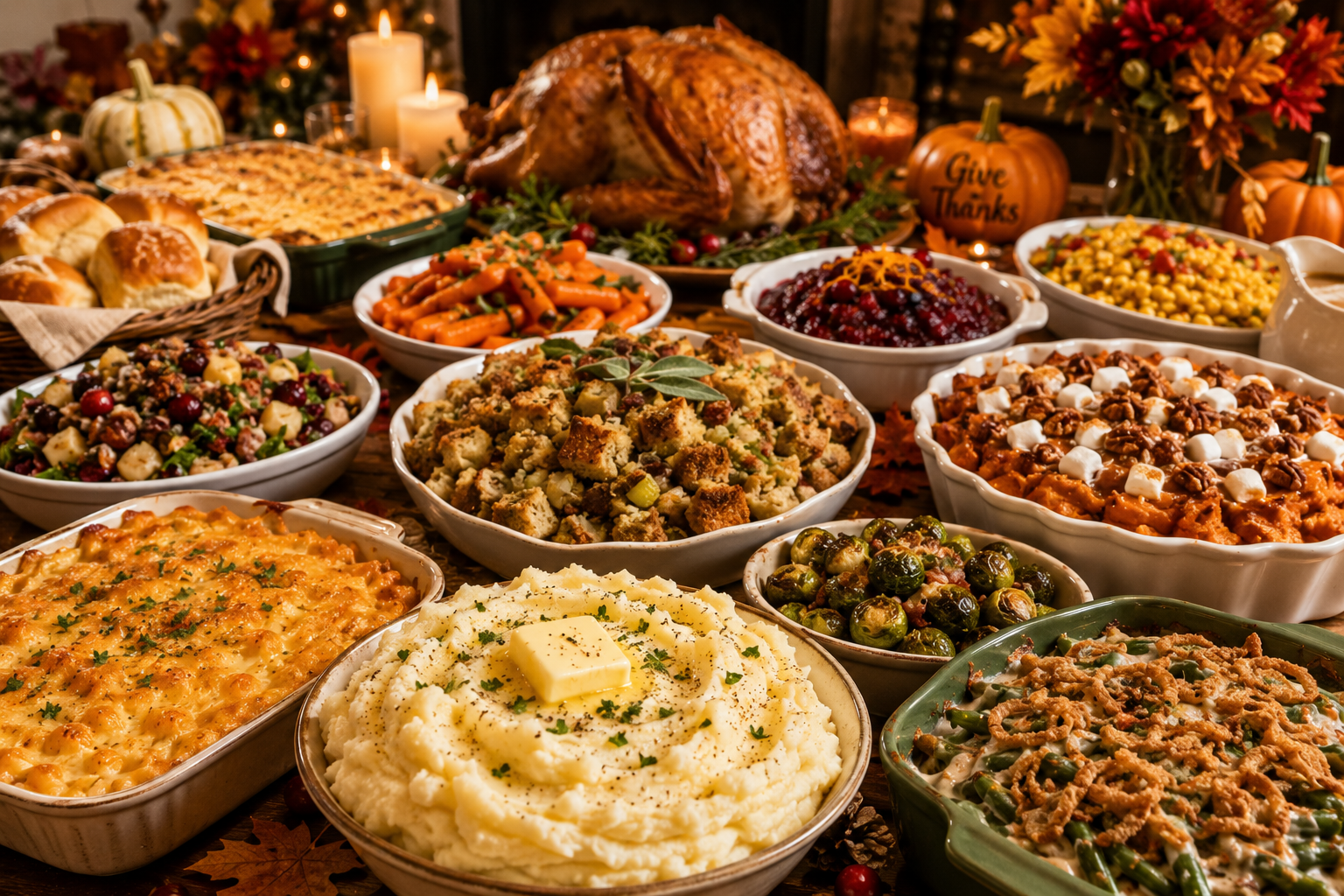
Description
Honey Glazed Easter Ham is one of the most classic and beloved dishes served during Easter celebrations. The combination of tender roasted ham and a rich, caramelized honey glaze creates a centerpiece that is both flavorful and visually impressive. The glaze blends sweet honey, brown sugar, tangy mustard, and warm spices to form a glossy coating that slowly caramelizes in the oven.
Because most holiday hams are already fully cooked, preparing this dish is more about warming the meat and building layers of flavor through glazing. As the ham bakes, the glaze forms a sticky outer crust while the interior stays juicy and tender.
This dish pairs beautifully with many traditional Easter sides such as roasted vegetables, potatoes, deviled eggs, and fresh spring salads. Whether served for a large family gathering or a small holiday meal, a honey glazed ham brings both tradition and comfort to the Easter table.
Ingredients
- 8–10 lb fully cooked bone-in ham
• 1 cup honey
• ¾ cup brown sugar
• ¼ cup Dijon mustard
• 2 tablespoons apple cider vinegar
• 1 teaspoon ground cinnamon
• ½ teaspoon ground cloves
Optional Garnishes and Flavor Enhancers
- Pineapple slices
• Orange zest
• Fresh herbs such as rosemary or thyme
Step-by-Step Instructions
Step 1: Preheat the Oven
Begin by preheating your oven to 325°F (163°C). This moderate temperature allows the ham to heat evenly without drying out.
Position the oven rack in the center of the oven so the ham cooks evenly on all sides.
While the oven heats, remove the ham from its packaging and allow it to sit at room temperature for about 20 minutes. This helps the ham cook more evenly once it goes into the oven.
Step 2: Prepare the Ham
Place the ham on a large cutting board. If the ham has a thick outer rind or skin, carefully trim it away with a sharp knife. Most hams already have this removed, but if it remains, removing it helps the glaze penetrate the meat.
Next, score the surface of the ham using a sharp knife.
To score the ham:
- Make shallow diagonal cuts across the surface about 1 inch apart.
- Rotate the ham and make cuts in the opposite direction.
- This creates a diamond pattern across the surface.
The scoring allows the glaze to seep into the ham and also creates beautiful caramelized edges as it bakes.
Step 3: Prepare the Roasting Pan
Place the scored ham cut-side down in a large roasting pan.
If you have a roasting rack, place the ham on the rack so the heat circulates evenly underneath.
Add ½ cup of water or broth to the bottom of the pan. This helps keep the ham moist while it cooks.
Cover the pan loosely with aluminum foil. The foil traps steam and prevents the ham from drying out during the first stage of baking.
Step 4: Bake the Ham (First Stage)
Place the covered ham in the oven and bake for about 1½ hours.
Since the ham is already cooked, the goal here is simply to warm it through slowly and gently.
As a general rule, heat the ham for about 10–12 minutes per pound.
During this stage, do not apply the glaze yet. Covering the ham allows it to heat evenly while retaining moisture.
Step 5: Prepare the Honey Glaze
While the ham is baking, prepare the honey glaze.
In a medium saucepan combine:
- 1 cup honey
• ¾ cup brown sugar
• ¼ cup Dijon mustard
• 2 tablespoons apple cider vinegar
• 1 teaspoon cinnamon
• ½ teaspoon cloves
Place the saucepan over medium heat.
Stir the mixture constantly as it heats. The brown sugar will dissolve and the ingredients will blend together into a thick glaze.
Allow the glaze to simmer gently for about 5 minutes until slightly thickened.
Remove the glaze from the heat and set aside.
The glaze should have a smooth, syrup-like consistency that is easy to brush onto the ham.
Step 6: Apply the First Layer of Glaze
After the ham has baked for about 1½ hours, carefully remove it from the oven.
Increase the oven temperature slightly to 350°F (177°C).
Remove the foil covering the ham.
Using a pastry brush or spoon, generously coat the ham with the prepared honey glaze. Make sure the glaze gets into the scored diamond cuts.
This first glaze layer will begin to caramelize as the ham finishes cooking.
Step 7: Bake and Glaze Repeatedly
Return the uncovered ham to the oven.
Bake for an additional 30–45 minutes.
Every 10 minutes, remove the ham from the oven and brush another layer of glaze over the surface.
This repeated glazing helps build a thick, glossy coating that caramelizes beautifully.
As the sugars in the honey and brown sugar heat up, they will create a rich golden-brown crust.
Be careful not to let the glaze burn. If the ham begins to darken too quickly, loosely tent it with foil.
Step 8: Check for Doneness
The ham is ready when it reaches an internal temperature of about 140°F (60°C).
You can check this using a meat thermometer inserted into the thickest part of the ham, avoiding the bone.
At this point the exterior should appear glossy, caramelized, and slightly crisp.
Step 9: Let the Ham Rest
Once the ham is fully glazed and heated through, remove it from the oven.
Allow the ham to rest for about 15 minutes before slicing.
Resting allows the juices to redistribute throughout the meat, keeping it tender and flavorful.
If you slice the ham immediately, some of the juices may escape.
Step 10: Slice and Serve
Place the ham on a cutting board.
Using a sharp carving knife, slice the ham along the natural muscle lines.
For a bone-in ham:
- Slice down along the bone to separate large sections of meat.
- Then cut those sections into thin slices.
Arrange the slices on a serving platter.
Drizzle a little of the glaze or pan juices over the top for extra flavor.
Serving Suggestions
Honey Glazed Easter Ham pairs well with many traditional Easter dishes such as:
- garlic roasted potatoes
• spring vegetables like asparagus or carrots
• deviled eggs
• fresh dinner rolls
• green salads
You can also serve the ham with mustard, extra glaze, or fruit chutneys.
Leftover ham is perfect for sandwiches, soups, omelets, or breakfast hash.
Helpful Tips
- Add pineapple slices during the glazing stage for a tropical flavor.
• Stir orange zest into the glaze for a bright citrus note.
• Use a roasting rack if possible to allow even heat circulation.
• Save the pan juices to spoon over the sliced ham for extra flavor.
A Honey Glazed Easter Ham is not only a delicious centerpiece but also a comforting tradition that brings families together around the holiday table.