Introduction
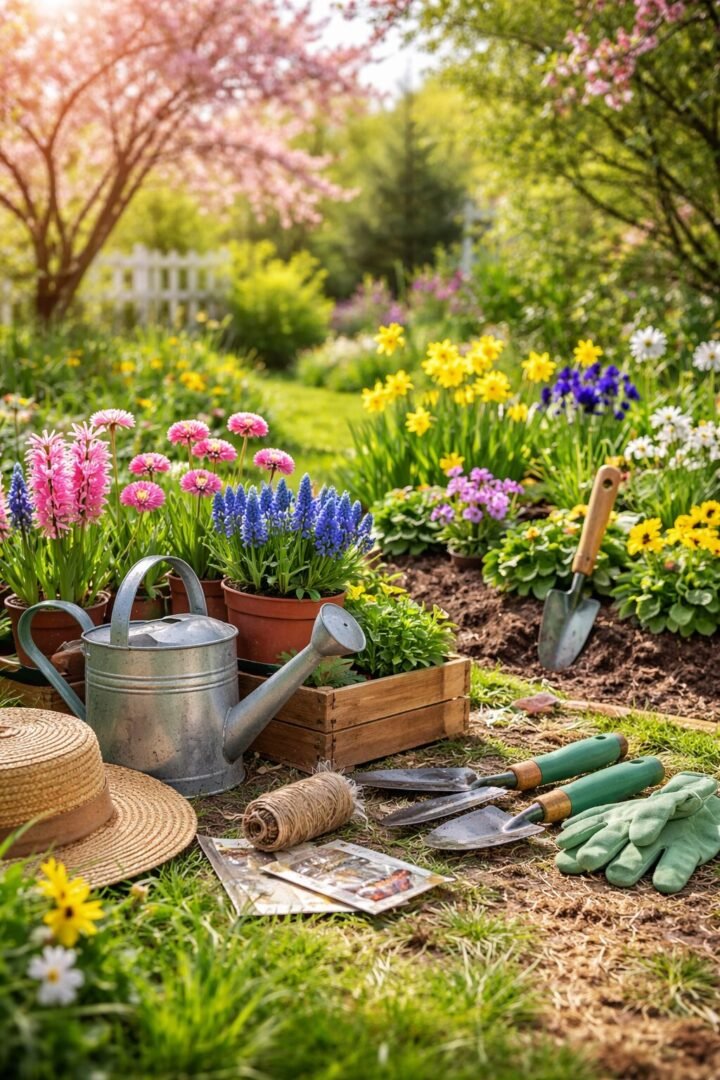
Easter often arrives at the perfect moment to begin thinking about gardening. As winter fades and the first signs of spring begin to appear, many people feel inspired to step outside, prepare their gardens, and start planting for the season ahead. Warmer temperatures, longer daylight hours, and softer soil create ideal conditions for both beginner and experienced gardeners.
For many households, Easter weekend serves as the unofficial beginning of gardening season. While some plants may need to wait until later in the spring, there are many tasks that can be started around this time to prepare your garden for healthy growth. From improving soil quality to planting early vegetables and flowers, Easter provides a natural opportunity to reconnect with the outdoors.
Gardening is also about more than simply growing plants. It offers physical activity, mental relaxation, and the satisfaction of nurturing life from seed to harvest. Whether you have a large backyard, a small patio, or just a few containers on a balcony, starting a garden around Easter can bring joy and beauty throughout the spring and summer months.
Preparing Your Soil for Healthy Growth
One of the most important steps in successful gardening begins beneath the surface—your soil. Healthy soil provides plants with the nutrients, structure, and moisture retention they need to grow strong and productive.
Before planting anything, it is helpful to evaluate the condition of your garden soil. After months of winter weather, soil can become compacted or depleted of nutrients. Preparing the soil early helps ensure that your plants have the best possible environment.
Start by loosening the soil with a garden fork, shovel, or hand cultivator. Breaking up compacted soil allows air and water to move freely, which supports healthy root growth.
Next, consider enriching the soil with organic matter such as compost. Compost improves soil structure and adds essential nutrients that plants need throughout the growing season. Spread a layer of compost across your garden beds and gently mix it into the top few inches of soil.
If you want to take soil preparation a step further, consider using a simple soil testing kit. Soil tests can reveal important information such as pH levels and nutrient content. This helps gardeners determine whether additional amendments—such as lime, fertilizer, or organic matter—may be needed.
Spending time preparing your soil early in the season often leads to stronger plants and better harvests later in the year.

Planting Early Spring Vegetables and Herbs
Many gardeners are eager to begin planting as soon as spring arrives. Fortunately, several vegetables and herbs thrive in the cooler temperatures that often occur around Easter.
Cool-weather crops are especially well suited for early planting. These plants grow best when temperatures are mild and can tolerate occasional cold nights.
Some excellent early spring vegetables include:
- lettuce
- spinach
- peas
- radishes
- carrots
- kale
These crops tend to grow quickly and can often be harvested within a few weeks.
Herbs can also be started early in the season. Hardy herbs such as parsley, chives, and cilantro grow well during cooler weather and add fresh flavor to spring meals.
When planting early crops, follow these simple guidelines:
- Check the last frost date for your region.
- Plant seeds or seedlings according to package instructions.
- Water gently after planting to help seeds settle into the soil.
- Use mulch to help maintain soil moisture.
With a little care, these early plantings can provide fresh ingredients long before summer crops are ready.

Container Gardening for Small Spaces
Not everyone has access to a large garden plot, but that does not mean gardening is out of reach. Container gardening offers a flexible and accessible way to grow plants in small spaces.
Containers can be placed on patios, balconies, porches, or even sunny windowsills. This approach allows gardeners to control soil quality and easily move plants to locations where they receive the best sunlight.
When starting a container garden, choose pots that have proper drainage holes. Good drainage prevents water from collecting at the bottom of the container, which can harm plant roots.
Fill your containers with a high-quality potting mix designed specifically for container gardening. These mixes are lighter than regular garden soil and help plants grow more successfully in confined spaces.
Many vegetables, herbs, and flowers grow well in containers, including:
- tomatoes
- peppers
- basil
- mint
- strawberries
- marigolds
Container gardening is also a great option for beginners because it allows you to start small and gradually expand your garden over time.
Choosing Pollinator-Friendly Plants
A thriving garden depends not only on soil and water but also on pollinators such as bees, butterflies, and other beneficial insects. These pollinators help plants reproduce by transferring pollen between flowers.
By planting pollinator-friendly flowers, you help support these important creatures while also improving the productivity of your garden.
Some excellent flowers for attracting pollinators include:
- lavender
- sunflowers
- zinnias
- marigolds
- coneflowers
- bee balm
These flowers provide nectar and pollen that pollinators rely on for food.
To create a pollinator-friendly garden, try planting flowers in clusters rather than spreading them far apart. Grouping flowers together makes it easier for pollinators to locate and visit them.
Avoid using pesticides whenever possible, as these chemicals can harm beneficial insects. Instead, focus on natural gardening practices that promote balance within your garden ecosystem.
Encouraging pollinators not only helps your plants thrive but also contributes to a healthier environment.

Planning Your Garden Layout
Before planting everything at once, it is helpful to spend a little time planning your garden layout. A thoughtful plan can make gardening more efficient and productive.
Start by considering how much sunlight different areas of your garden receive. Most vegetables and flowers need at least six hours of sunlight per day, so placing sun-loving plants in bright areas is important.
Next, think about plant spacing. Crowded plants compete for nutrients, water, and sunlight, which can reduce their growth. Following recommended spacing guidelines allows each plant enough room to develop properly.
Many gardeners find it helpful to sketch a simple garden map on paper. This map can include:
- where each plant will be located
- pathways for walking
- areas for watering access
- space for future plantings
Planning ahead also helps with crop rotation, which prevents soil from becoming depleted and reduces pest problems over time.
Even a simple plan can make your garden easier to manage throughout the season.
Family Gardening Activities Around Easter
Gardening can be a wonderful family activity, especially during the Easter season when many families are already spending time together outdoors.
Children often enjoy participating in gardening because it allows them to explore nature and learn where food comes from. Simple gardening tasks can teach responsibility, patience, and appreciation for the environment.
Some fun gardening activities for families include:
- planting flower seeds together
- decorating garden markers
- watering plants and checking for growth
- creating a small herb garden for the kitchen
You can also turn gardening into a creative Easter activity by planting flowers in decorated pots or creating a small garden area dedicated to spring blooms.
Watching plants grow over time can be a rewarding experience for children and adults alike.
Conclusion
Starting a garden around Easter offers a meaningful way to welcome the arrival of spring. The season’s themes of renewal and growth naturally align with the process of planting, nurturing, and watching new life emerge from the soil.
By preparing your soil, planting cool-weather crops, exploring container gardening, supporting pollinators, and planning your garden layout, you create a strong foundation for a successful gardening season.
Gardening also encourages connection—with nature, with family, and with the rhythms of the seasons.
Whether your garden is large or small, beginning your gardening journey around Easter can symbolize patience, growth, and the joy of watching something beautiful develop over time.