St. Patrick’s Day has become synonymous with hearty meals, comforting flavors, and food that brings people together. Tables fill with stews, breads, and celebratory dishes meant to honor Irish heritage. Yet many of the foods associated with March 17 are often misunderstood, Americanized, or detached from their original context.
The true story behind classic St. Patrick’s Day dishes is rooted in Ireland’s agricultural history, social structure, emigration, and adaptation. Understanding where these dishes come from—and how they evolved—adds depth to the celebration and honors the resilience of Irish food traditions.
Food and Survival in Irish History
Irish cuisine developed out of necessity.
For centuries, Ireland’s rural population relied on:
– Limited ingredients
– Small plots of land
– Seasonal farming
Meals were simple, filling, and designed to sustain families through hard labor and harsh weather.
The Potato: Ireland’s Most Influential Ingredient
No food is more closely associated with Ireland than the potato.
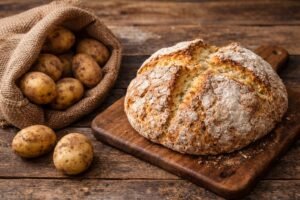
Introduced in the late 16th century, the potato thrived in Irish soil and became a dietary staple. By the 18th century, it formed the backbone of daily meals for much of the population.
Potatoes were:
– Nutritious
– Affordable
– Easy to grow
They shaped Irish cooking profoundly.
Irish Stew and Its Origins
Irish stew is one of the country’s oldest and most iconic dishes.
Traditionally made with:
– Lamb or mutton
– Potatoes
– Onions
– Water or broth
Irish stew reflected rural life, using ingredients readily available to farming families. Meat was used sparingly, with vegetables doing most of the work.
The stew symbolized comfort and community.
Colcannon: More Than Mashed Potatoes
Colcannon is a beloved Irish dish made from:
– Mashed potatoes
– Cabbage or kale
– Butter
It was especially popular during colder months. Colcannon was affordable, filling, and versatile.
Traditionally, charms were hidden in the dish during celebrations, turning dinner into a form of fortune-telling.
Champ: A Close Cousin
Champ is similar to colcannon but uses green onions instead of cabbage.
This dish was popular in Northern Ireland and highlighted regional variation within Irish cuisine.
Soda Bread and Its Simplicity
Irish soda bread is a staple with humble origins.
Made with:
– Flour
– Baking soda
– Salt
– Buttermilk
It required no yeast, making it accessible for households without ovens or extended baking time.
Soda bread reflects Irish ingenuity and practicality.
Boxty: The Potato Pancake
Boxty is a traditional potato pancake made from grated and mashed potatoes mixed with flour.
It was especially common in poorer regions, stretching ingredients to feed families.
The phrase “Boxty on the griddle, boxty in the pan” reflects its versatility.
Cabbage and Bacon in Ireland
In Ireland, pork was more common than beef.
Cabbage and bacon became a classic pairing because:
– Pigs were easier to raise
– Bacon preserved well
– Cabbage grew easily
This dish represents traditional Irish home cooking.
Corned Beef: An Irish-American Adaptation
Corned beef is often mistaken as an Irish dish.
In reality, it became popular among Irish immigrants in America, who substituted beef for pork due to availability and cost.
Corned beef and cabbage became a symbol of Irish-American identity rather than traditional Irish cuisine.
Shepherd’s Pie and Cottage Pie
These dishes feature meat topped with mashed potatoes.
Shepherd’s pie traditionally uses lamb, while cottage pie uses beef.
They developed as ways to use leftovers efficiently and reduce waste.
Seafood and Coastal Influence
Ireland’s coastal geography influenced its cuisine.
Fish like cod, haddock, and salmon played important roles in regional diets, especially during religious fasting days.
Seafood dishes are an often-overlooked part of Irish food culture.
Desserts and Treats
Traditional Irish desserts were simple.
Examples include:
– Apple tarts
– Barmbrack
– Oat-based sweets
Desserts were often reserved for special occasions.
Barmbrack and Celebration
Barmbrack is a fruit bread traditionally associated with Halloween but sometimes appears during festive seasons.
It often contained charms that predicted the future.
St. Patrick’s Day Feasts Through Immigration
As Irish immigrants settled abroad, their food traditions evolved.
Ingredients changed, but the spirit remained. St. Patrick’s Day became an opportunity to reconnect with heritage through food.
Modern St. Patrick’s Day Menus
Today’s menus blend tradition and adaptation.
Restaurants and home cooks often combine:
– Irish classics
– Irish-American favorites
– Modern twists
This evolution reflects living culture.
Food as Cultural Identity
Food preserves memory.
For Irish communities, traditional dishes represent:
– Survival
– Family
– Continuity
Cooking becomes storytelling.
Misconceptions About Irish Food
Many believe Irish food is bland.
In reality, it is:
– Practical
– Comforting
– Deeply tied to land and history
Preparing traditional dishes with knowledge transforms meals into rituals.
Why These Dishes Endure
They endure because they:
– Nourish
– Connect generations
– Tell stories
Final Thoughts
Classic St. Patrick’s Day dishes are not just festive meals.
They are reflections of Ireland’s history, hardship, and heart. From humble potatoes to celebratory stews, each dish carries meaning shaped by land, resilience, and community.
When you cook or enjoy these foods on St. Patrick’s Day, you’re not just celebrating a holiday—you’re honoring a culture.