Every year, millions of people celebrate Mardi Gras with parades, parties, rich foods, and vibrant traditions. Amid the beads, masks, and King Cake, one question often comes up: why is Mardi Gras called “Fat Tuesday”? The phrase sounds playful, even indulgent—but its meaning is rooted in centuries of religious practice, cultural tradition, and human behavior.
“Fat Tuesday” isn’t just a nickname. It’s a direct translation, a historical marker, and a symbolic reminder of why Mardi Gras exists at all. To understand the name, we have to travel back through time, across Europe, and into the foundations of Christian tradition.
The Literal Meaning of “Mardi Gras”
The term “Mardi Gras” comes from the French language. “Mardi” means Tuesday, and “gras” means fat. Put together, Mardi Gras literally translates to “Fat Tuesday.” This name reflects the day’s original purpose: a final opportunity to indulge in rich, fatty foods before the beginning of Lent.
In societies where Mardi Gras developed, food was deeply tied to survival and religious discipline. Certain foods—especially meat, butter, eggs, milk, and animal fats—were forbidden during Lent. Fat Tuesday became the last chance to enjoy these ingredients before forty days of fasting and restraint.

Why Tuesday Matters
Fat Tuesday falls on the day immediately before Ash Wednesday, which marks the start of Lent in the Christian calendar. Lent is a 40-day season of fasting, prayer, and reflection observed by many Christian denominations. It commemorates the 40 days Jesus spent fasting in the wilderness.
Because Lent begins on Ash Wednesday, the day before naturally became the final moment for celebration. Over time, this Tuesday took on special significance, evolving into a feast day filled with food, music, and community gatherings.
Fat, Feasting, and Medieval Life
To modern readers, the idea of avoiding butter, eggs, or meat for weeks may seem inconvenient at best. But in medieval Europe, these foods were precious resources. Without refrigeration, families had to use perishable ingredients quickly.
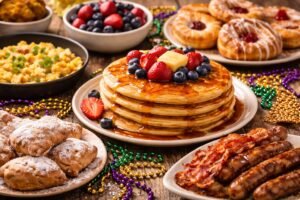
Fat Tuesday was both practical and symbolic. Families would cook large meals to use up fats and dairy products before Lent began. Pancakes, pastries, fried foods, and rich stews became staples of the celebration. The abundance of “fat” wasn’t excess for excess’s sake—it was responsible household management combined with joyful ritual.
Fat Tuesday Across Europe
While “Mardi Gras” is the French term, other cultures developed their own versions of Fat Tuesday under different names:
– In England, it became known as Shrove Tuesday, famous for pancake traditions.
– In Germany, Fasching included parades and masquerades.
– In Italy, Carnevale focused on elaborate costumes and public celebrations.
– In Spain and Latin countries, Carnival became a major cultural event.
Despite regional differences, the purpose remained the same: feast now, fast later.
The Religious Meaning Behind the Indulgence

Fat Tuesday was never meant to glorify excess for its own sake. Instead, it served as a transition—a final celebration before entering a season of spiritual discipline.
The indulgence of Mardi Gras highlights contrast. By enjoying rich foods, music, and celebration one last time, participants were more prepared—mentally and physically—for the simplicity of Lent. The joy of Fat Tuesday made the sacrifice of Lent more meaningful.
How Fat Tuesday Came to America
French settlers brought the tradition of Mardi Gras—and Fat Tuesday—with them to North America. Early celebrations appeared in places like Mobile, Alabama, and later in New Orleans.
As Mardi Gras took root in Louisiana, Fat Tuesday became the centerpiece of the entire Carnival season. Weeks of parades and balls all led up to this final day of celebration. Midnight on Fat Tuesday marked the symbolic end of indulgence, often signaled by the ceremonial closing of festivities.
Food Traditions That Define Fat Tuesday
Many iconic Mardi Gras foods exist specifically because of Fat Tuesday’s purpose. King Cake, for example, is rich with sugar, butter, and eggs—ingredients once forbidden during Lent.
Other traditional Fat Tuesday foods include:
– Pancakes and crepes
– Fried dough and pastries
– Sausages and meat-heavy dishes
– Creamy sauces and desserts
These foods weren’t just delicious—they were symbolic, marking a clear boundary between celebration and sacrifice.
Fat Tuesday vs. Carnival Season
While Mardi Gras is often used to describe the entire Carnival season, Fat Tuesday is the grand finale. Carnival begins on Epiphany (January 6) and builds momentum over weeks. Parades grow larger, parties grow louder, and traditions intensify.
Fat Tuesday is the climax. It is the last chance to fully embrace the spirit of Carnival before Lent begins. That sense of finality is what gives the day its emotional and cultural power.
Modern Interpretations of Fat Tuesday
Today, many people celebrate Fat Tuesday without observing Lent. Still, the name endures because it captures something universal: the human desire to celebrate before change.
For some, Fat Tuesday is about tradition and faith. For others, it’s about food, music, and community. In places like New Orleans, it represents cultural identity, history, and resilience.
Even stripped of its religious context, Fat Tuesday remains a moment of shared indulgence—one day when joy, abundance, and togetherness take center stage.
More Than Just a Name
So why is Mardi Gras called Fat Tuesday? Because the name tells the entire story in just two words. It reflects history, religion, practicality, and celebration all at once.
Fat Tuesday reminds us that joy and discipline can coexist—that celebration has meaning when it is followed by reflection. Whether you observe Lent or simply enjoy the festivities, the name “Fat Tuesday” connects modern celebrations to centuries of tradition.
Behind the beads and parades lies a simple truth: Mardi Gras is called Fat Tuesday because it was never meant to last forever. It was meant to be savored—one rich, joyful day before the quiet season begins.